



- Find the best broker for your trading needs
- Compare spreads, fees, and platforms
- Read in-depth reviews and analysis

Page Navigation


Select a different country or region to view content tailored to your location.

FxScouts helps traders across the globe by meticulously testing and reviewing online brokers and providing Forex education and market analysis. Our partners compensate us through paid advertising. While partners may pay to provide offers or be featured, they cannot pay to alter our recommendations, advice, ratings, or any other content. Our content and research teams do not participate in any advertising planning nor are they permitted access to advertising campaign data. For more detailed information click this link.


Chris manages the relationships with our partners to provide the best Forex trading experience possible for our users. Chris has 15+ years of research, and editorial and design experience for political and financial publications. His background has given him a deep understanding of international financial markets and the geopolitics that affect them.
Leverage is one of the most powerful tools in forex trading. It enables traders to control positions much larger than their deposits, amplifying both gains and losses.
In Kenya, forex trading is regulated by the Capital Markets Authority (CMA). Brokers licensed by the CMA must follow strict rules on transparency, client fund segregation, and leverage limits—generally capping retail leverage at around 1:400.
Still, many Kenyan traders also use international brokers that offer even higher leverage, though these accounts fall outside CMA supervision and do not provide the same local protections.
This guide explains how leverage works, the regulatory framework in Kenya, and how to identify the safest high-leverage brokers. We also highlight ten top-rated brokers accepting Kenyan clients in 2026, comparing their leverage policies, trading costs, and regulatory standing.
Trusted. Transparent. Tested.
For over a decade, we’ve set the standard in forex broker reviews—collecting thousands of data points yearly to deliver unbiased, expert-backed insights.
Skip the trial and error! Below, you’ll find the best forex brokers for Kenyan traders for 2026—thoroughly tested, verified, and ranked, so you can trade with confidence.

In Kenya, forex trading is legal and regulated by the Capital Markets Authority (CMA Kenya). All brokers operating locally must be licensed by the CMA, which enforces rules on transparency, client protection, and leverage restrictions.
CMA-regulated brokers typically cap leverage (e.g., up to 1:400 for retail clients) to reduce investor risk. However, many Kenyan traders still use international brokers offering higher leverage, though these firms operate outside CMA’s supervision.
Why CMA regulation is important for Kenyan traders:
Tip: High leverage can be tempting, but Kenyan traders gain stronger protections by using CMA-licensed brokers instead of unregulated offshore alternatives.
Swipe to scroll
Broker | Overall Rating Our overall rating evaluates brokers on platform quality, fees, service, regulation, and instruments. Higher scores reflect better performance and reliability. | Visit Broker Click to visit the broker’s official website for more information and to open an account. | Min. Deposit The minimum amount of money required to open an account with this broker. | EUR/USD - Standard Spread This is the spread on EUR/USD using the account with the smallest deposit requirements. | Trading Cost - Standard Account Total trading cost at the time of last update, for 1 lot of EUR/USD using the account with the lowest minimum deposit. Includes spread and commission. | International Regulators Displays the financial regulators licensing the broker, shown by national flags, ensuring compliance with financial standards for safer trading. | Compare Select two brokers using the checkboxes to compare their features, fees, platforms, and more side by side. | ||
|---|---|---|---|---|---|---|---|---|---|
 | Unlimited:1 | USD 3 | 0.70 pips | USD 7 | B.V.I FSC, CMA, FSC, FSCA, FSA-Seychelles | ||||
 | 400:1 | USD 0 | 1.00 pips | USD 10 | CySEC, DFSA, FCA, FSC, FSCA, FSA-Seychelles | ||||
 | 400:1 | USD 0 | 1.00 pips | USD 10 | ASIC, BaFin, CMA, CySEC, FCA | ||||
 | 400:1 | USD 100 | 0.90 pips | USD 9 | ASIC, CBI, CySEC, FRSA, FSCA | ||||
 | 500:1 | USD 200 | 0.10 pips | USD 8 | ASIC, CySEC, SCB, FSA-Seychelles | ||||
 | 1000:1 | USD 10 | 1.70 pips | USD 17 | BaFin, CySEC | ||||
 | 1000:1 | USD 5 | 0.60 pips | USD 6 | ASIC, CySEC, FSC | ||||
 | 500:1 | USD 0 | 0.70 pips | USD 7 | CySEC, DFSA, FCA, FSC, KNF | ||||
 | 500:1 | USD 100 | 0.00 pips | USD 6 | CySEC, FCA, FSCA, LFSA, FSA-Seychelles |









Select another broker to another broker to compare features, fees, and platforms side by side.
Find Your Ideal Forex Broker
Select another broker to another broker to compare features, fees, and platforms side by side.
0.1 pips
CMA, FSA-Seychelles, FSC, B.V.I FSC, FSCA
USD 3
Exness Terminal, MT5, MT4
Unlimited:1
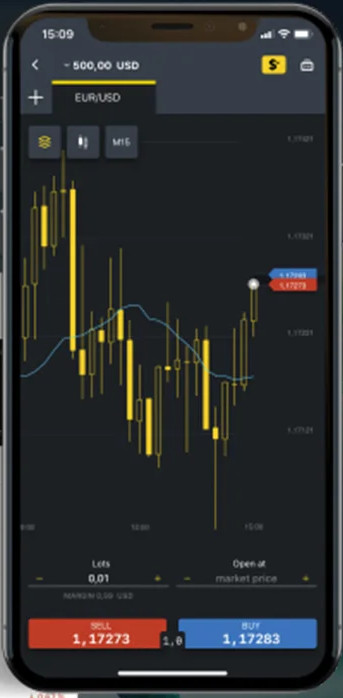
Exness offers unlimited leverage after meeting specific trading conditions — ideal for aggressive strategies with small capital
Kenyan traders enjoy 24/7 automated withdrawals through M-Pesa with no human approval needed
Standard and Raw Spread accounts offer tight spreads starting from 0.0 pips with low trading costs
Traders can access powerful platforms including Exness Terminal, tailored for quick execution and user-friendliness
Requires at least 10 closed positions and 5 lots traded to unlock — may delay access for new users
No stock or ETF CFDs — primarily focused on Forex, crypto, metals, and indices
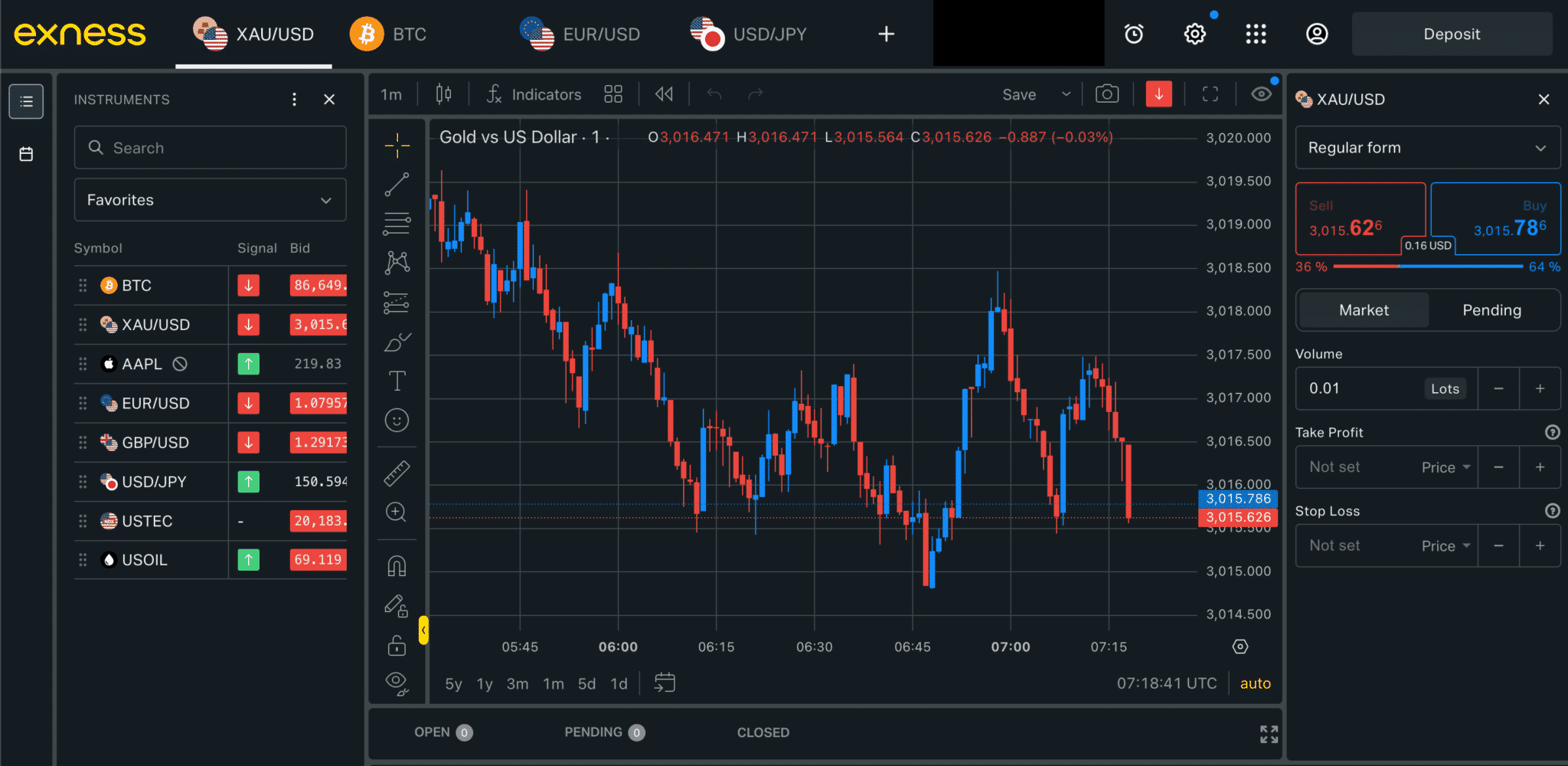
Exness | Best for: Traders in Kenya seeking ultra-high leverage with instant withdrawals and low-cost trading

FxScouts
 YouTube
Select another broker to another broker to compare features, fees, and platforms side by side.
0.0 pips
FSA-Seychelles, FSC, DFSA, FSCA, FCA, CySEC
USD 0
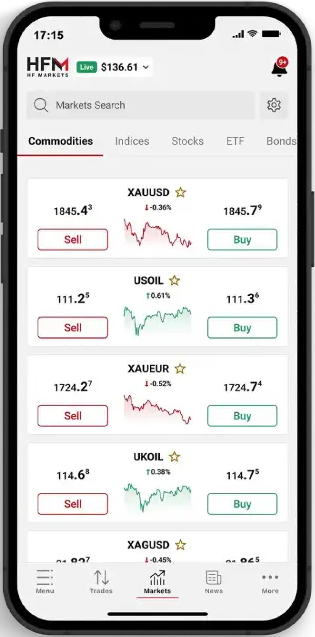
HFM Trading App, MT5, MT4
400:1
Available on Micro and Premium accounts — useful for maximising gains with small capital
Locally licensed with client funds held in segregated accounts for added safety
Trade or follow top-ranked signal providers within the same platform
Compliant with Shariah law — ideal for Muslim traders in Kenya
Cap remains at 1:1000 — lower than some competitors
Compared to newer brokers with more digital assets
HFM | Best for: Traders in Kenya wanting flexible leverage up to 1:1000 with FSCA and CMA regulation
FxScouts
YouTube
Select another broker to another broker to compare features, fees, and platforms side by side.
0 pips
CMA, BaFin, ASIC, FCA, CySEC
USD 0
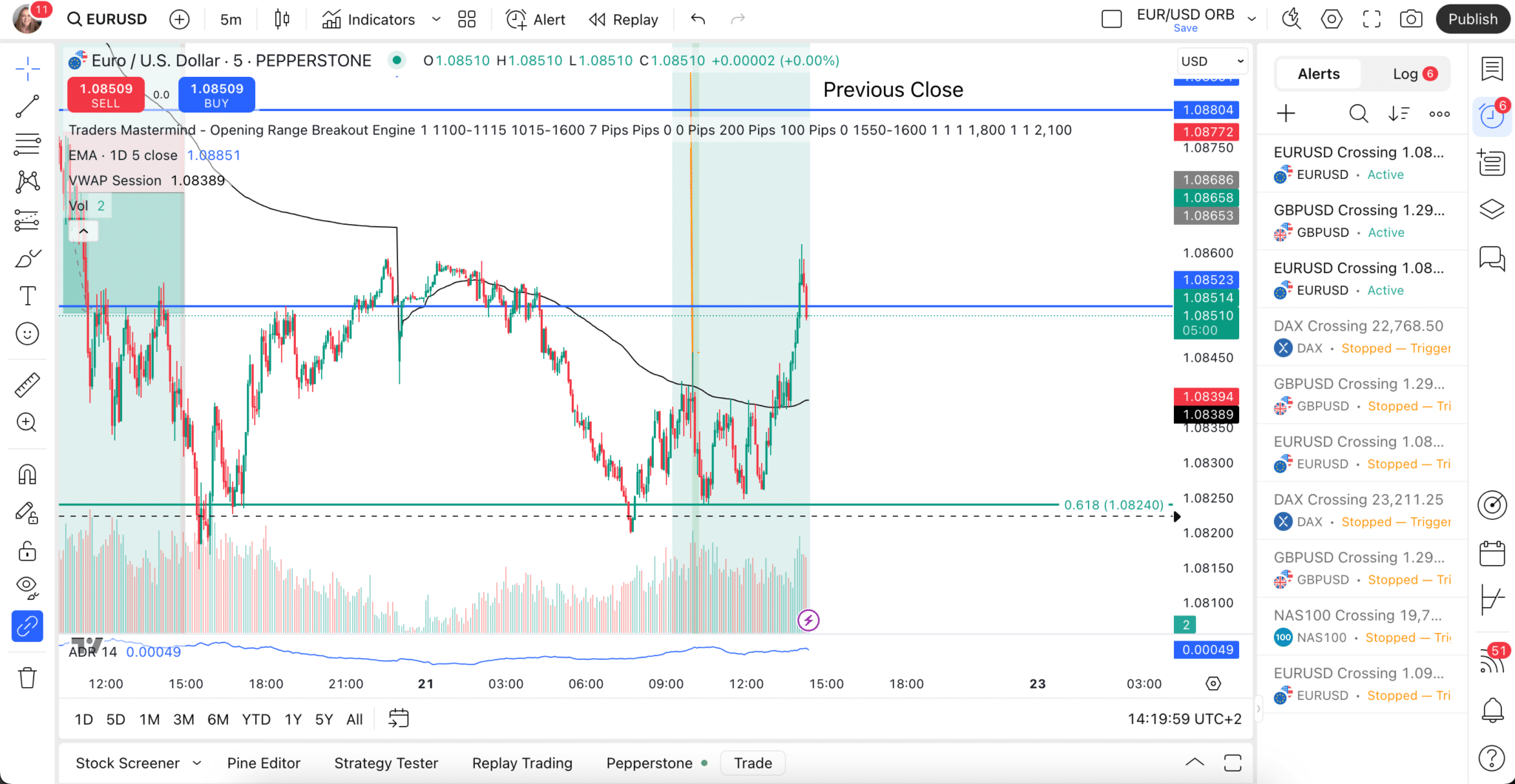
Pepperstone Platform, TradingView, cTrader, MT5, MT4
400:1
Ultra-tight spreads with commission — best for scalpers and day traders
Available on Forex — competitive yet with strong risk controls in place
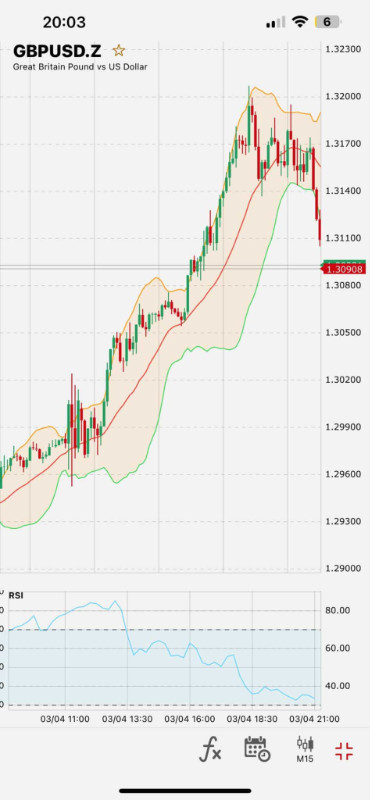
Full suite of professional platforms including tools for algorithmic trading
Gives added confidence with local oversight and global reputation
More focused on execution quality than marketing incentives
Lower than brokers like Exness or FBS who offer 1:1000 or more
Pepperstone | Best for: Serious Kenyan traders looking for ECN-like spreads and cTrader with leverage up to 1:500
FxScouts
YouTube
Select another broker to another broker to compare features, fees, and platforms side by side.
0.9 pips
FRSA, CBI, FSCA, ASIC, CySEC
USD 100
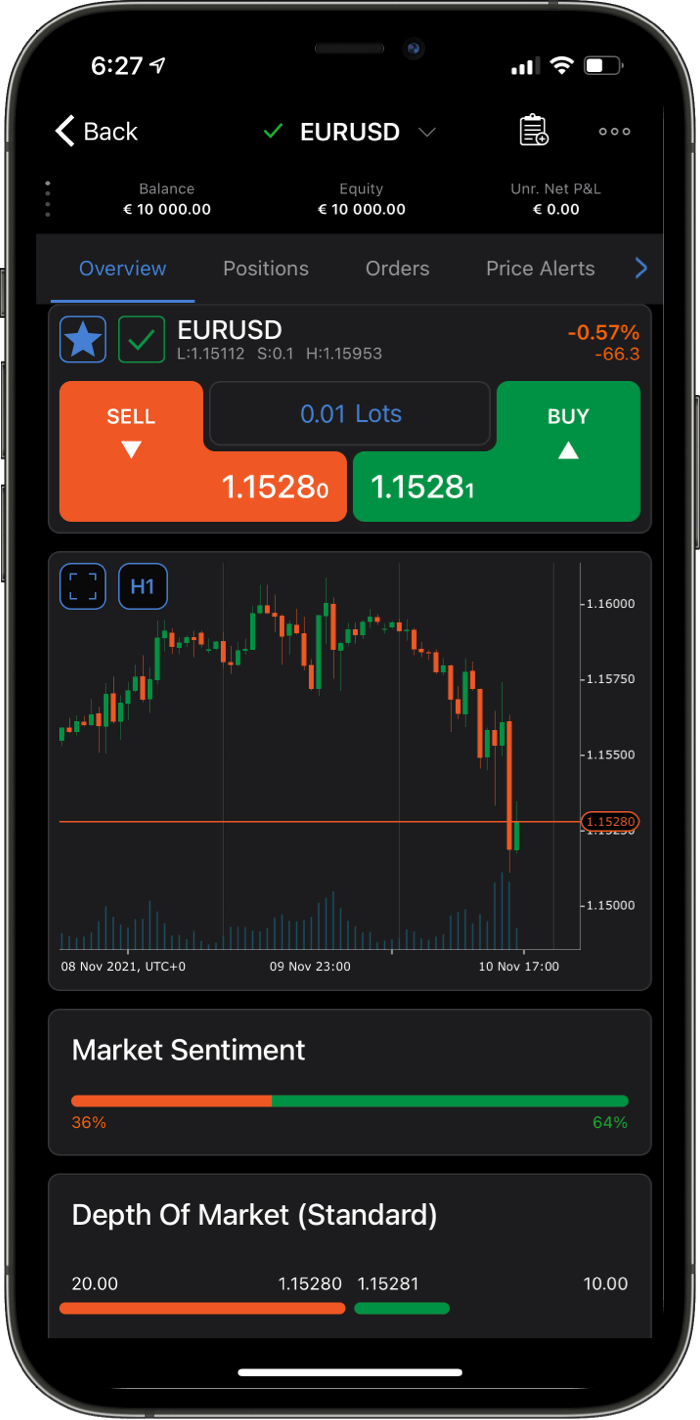
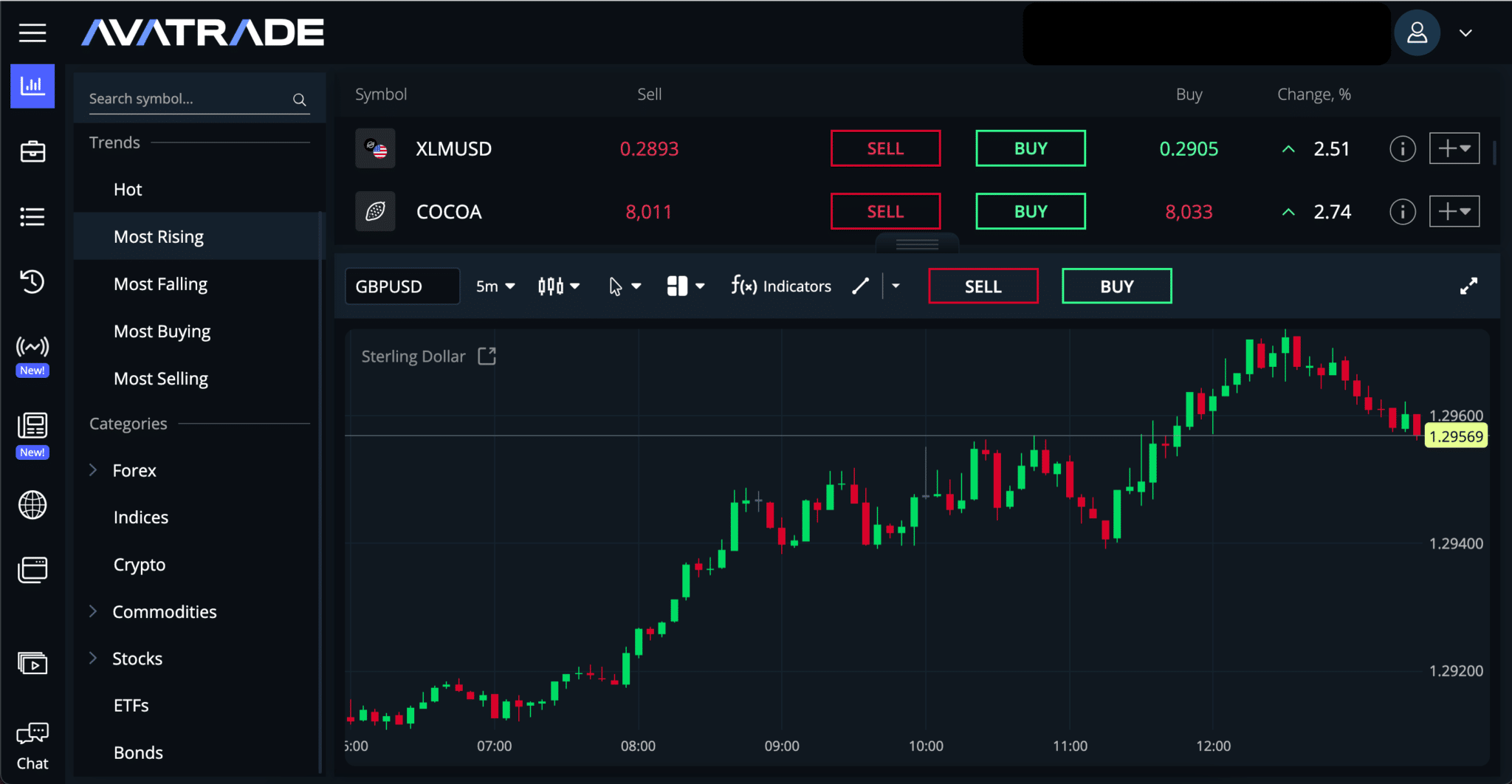
AvaOptions, Avatrade Social, MT5, MT4
400:1
Moderate yet safe — suitable for retail clients with risk awareness
Lets you protect trades from losses for a small premium — great for beginners using leverage
Follow top traders and automate your trading experience
Kenyan clients benefit from stable regulation and mobile-first trading
Not ideal for those seeking ultra-aggressive strategies
Less convenient than brokers offering local payments
AvaTrade | Best for: Kenyan traders who want risk-managed leverage trading via AvaProtect and AutoTrading tools
FxScouts
YouTube
Select another broker to another broker to compare features, fees, and platforms side by side.
0.1 pips
FSA-Seychelles, SCB, ASIC, CySEC
USD 200
TradingView, cTrader, MT5, MT4
500:1
Through IC Markets’ offshore entities, Kenyan traders can access leverage up to 1:500, making it one of the highest-leverage brokers available while still maintaining strong global credibility.
The Raw Spread account delivers institutional-style pricing with EUR/USD spreads from 0.0 pips, combined with a low commission (from $3.50 per lot per side).
Orders are filled directly from deep liquidity pools with no dealing desk intervention — ideal for scalpers, day traders, and high-volume strategies.
Choose between MetaTrader 4, MetaTrader 5, or cTrader — all optimised for fast execution, advanced charting, and algorithmic trading.
IC Markets is widely recognised as a top-tier global broker, with regulation across multiple jurisdictions, adding confidence for Kenyan traders using high leverage.
While 1:500 leverage boosts margin efficiency, it also significantly amplifies losses — strict risk management is essential.
IC Markets is not regulated by Kenya’s Capital Markets Authority (CMA); Kenyan clients trade under international or offshore entities.
IC Markets | Best for: Experienced Kenyan traders seeking high leverage, ultra-tight spreads, and institutional-grade execution
FxScouts
YouTube
Select another broker to another broker to compare features, fees, and platforms side by side.
This section explains how leverage works in forex trading, the rules set by the Capital Markets Authority (CMA Kenya), and what Kenyan traders should consider before using high leverage.
Leverage allows traders to control positions far larger than their deposits. For example, depositing KES 100,000 with 100:1 leverage enables a position worth KES 10,000,000. Gains and losses are calculated on the entire trade size, so even small market moves can quickly wipe out the margin.
CMA and Leverage Regulation in Kenya
The Capital Markets Authority (CMA) is one of the few African regulators that directly licenses and supervises retail forex brokers. Unlike South Africa’s FSCA, the CMA imposes leverage caps, generally limiting ratios to around 1:100–1:200 for retail traders, though in some cases leverage may extend up to 1:400.
CMA-licensed brokers must follow strict rules on transparency and client protection, including:
Even though CMA-regulated brokers in Kenya cap leverage (typically around 1:100–1:200), many Kenyan traders turn to offshore brokers that offer far higher ratios—1:500, 1:1000, or even 1:3000. These firms are usually based in lightly regulated jurisdictions such as the Seychelles, Belize, or St. Vincent and the Grenadines, where restrictions are minimal.
The trade-off is that offshore brokers are not bound by CMA rules, leaving Kenyan clients without the same legal protections for segregated funds, dispute resolution, or compensation schemes.
Popular choices include Pepperstone, Exness, and HFM, which combine offshore high-leverage accounts with additional tier-one licences from the FCA (UK), ASIC (Australia), or CySEC (Europe). However, Kenyan clients are usually onboarded under their offshore entities, meaning top-tier protections may not apply.
By contrast, local CMA-regulated brokers such as FXPesa (Equiti Group) comply with Kenyan law but cannot match the extreme leverage levels available offshore. This makes offshore accounts attractive to many traders—despite the added risks.

Very high levels of leverage can be risky for inexperienced retail traders. But leverage is also a useful tool for more experienced traders seeking to make a living from Forex trading.

Here are answers to some of the most common questions that brokers have about leverage in Forex trading.
Margin is the deposit or collateral the trader spends from their own account to access leverage from a broker. Margin is usually expressed as a percentage of the total trade size. The higher the leverage offered by your broker, the less margin (or capital) you will need. So, if you have US$10,000 and the margin is 3.33%, you can control US$300,000 worth of forex trades or three standard lots of US$100,000 each. This can also be expressed as using leverage of 1:30. If, however, you are a professional trader and have a margin of 0.2%, you can control US$5 million of forex (50 lots). This can also be expressed as using leverage of 1:500. Clearly, that gives a trader much greater potential in terms of generating profit.
Excessively high levels of leverage will materially damage your odds of success on any particular trade, according to the reputable broker IG Forex, due to the impact of transaction costs. “If you were to place trades randomly, without any particular insight or skill, and aim to take profits of the same size as your maximum stop-loss, you’d tend to win on 50% of trades and lose on 50% of trades”, the broker explains. “Transaction costs change this picture, representing a hurdle between you and a profitable trade. Another way of saying this is that costs shift the odds against you.”
IG says that at most levels of leverage this shift in odds is small. “However, when the leverage you use is so high that the margin supporting your trade is less than 10x to 20x your costs, your probability of losing begins to increase very rapidly. This is because costs eat away at the supporting margin, leading to a high probability of being closed out.
“This is easy to understand if you think about the most extreme case, where your supporting margin is exactly equal to your transaction costs on a trade. You’d place your trade, and the transaction costs would leave you with zero supporting margin for your position. This would lead to you being closed out immediately, with 100% probability, every single time – regardless of your trading strategy or how the market moves.”
Negative balance protection ensures that traders do not lose more than the balance of their account, even if the market moves quickly or “gaps” (i.e. jumps sharply higher or lower through various price points). Brokers in certain regulated markets, such as those regulated by ESMA or the FCA, are required to apply negative balance protection on a per-account basis. However, the rule does not apply to professional traders, who can still lose more than the balance of their account.
Negative balance protection applies if you trade leveraged products such as CFDs. Imagine you open an account with a deposit of US$1,000 and you enter a CFD forex trade with 1:10 leverage. In this case, you will have a position worth US$10,000. If there is market turbulence and your position suddenly drops 25%, you will suffer a US$2,500 loss, or 250% of your deposited money, due to the leverage. This means your US$1,000 balance won’t cover your losses and you would owe the broker US$1,500 if they didn’t provide negative balance protection.
Unregulated offshore brokers are not required to offer negative balance protection. When combined with high levels of leverage, this means that traders could end up owing the broker very large sums of money.
The Capital Markets Authority (CMA Kenya) limits leverage with licensed brokers, generally capping it at around 1:100–1:400 depending on the instrument. Offshore brokers, however, often advertise much higher ratios—sometimes exceeding 1:1000.
Just because very high leverage is available does not mean you should use it. For beginners, or for traders still learning how to manage risk, a lower leverage level such as 1:5 or 1:10 is usually more appropriate. Lower leverage reduces the risk of rapid losses and provides more room to learn safely.
Even seasoned professionals rarely use the maximum leverage offered. Instead, they typically focus on capital preservation and consistent profits, applying moderate leverage rather than maximising exposure on every trade.
When managed properly, leverage allows forex traders to earn money from very small movements in currencies. Currencies only tend to hit the headlines when they are subject to dramatic rises and falls, yet for most of the time currencies move in very small trading bands. These low levels of volatility mean that, on a typical day, traders would have to commit very large levels of capital to earn a reasonable income from trading forex.
Explore more resources that fellow traders find helpful! Check out these other guides to enhance your forex trading knowledge and skills. Whether you’re searching for the best brokers, educational material, or something more specific, we’ve got you covered.

Discover the top Forex brokers for Kenyan traders. Compare top platforms, fees and features to make an informed trading choice.
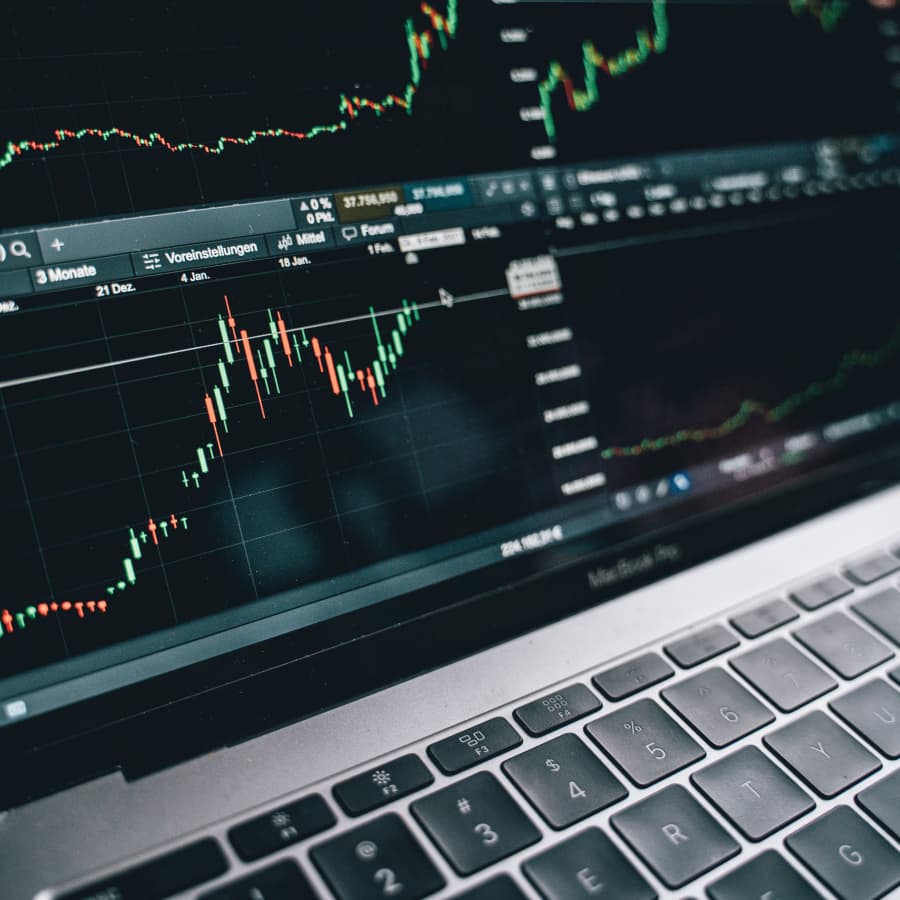
Compare the best Forex trading platforms for 2026, including MT4, MT5, cTrader, and TradingView. Find the right tools to enhance your trading experience.

What is Forex trading and how does it work? An easy-to-read guide including how to trade, and how to choose a reliable broker.
60-90% of retail traders lose money trading Forex and CFDs. You should consider whether you understand how CFDs and leveraged trading work and if you can afford the high risk of losing your money. We may receive compensation when you click on links to products we review. Please read our advertising disclosure. By using this website, you agree to our Terms of Service.
Partner Manager and Financial Writer
Head of Content

Financial Writer




Welcome to the FxScouts community! We’re thrilled to have you on board. You’ve successfully signed up for our forex newsletter, where you’ll receive expert insights, market analysis, and the latest news straight to your inbox.
Get ready to stay ahead of the curve with our regular updates designed to help you make informed trading decisions.
Happy trading!
The FxScouts Team