





- Find the best broker for your trading needs
- Compare spreads, fees, and platforms
- Read in-depth reviews and analysis

Page Navigation


Select a different country or region to view content tailored to your location.

FxScouts helps traders across the globe by meticulously testing and reviewing online brokers and providing Forex education and market analysis. Our partners compensate us through paid advertising. While partners may pay to provide offers or be featured, they cannot pay to alter our recommendations, advice, ratings, or any other content. Our content and research teams do not participate in any advertising planning nor are they permitted access to advertising campaign data. For more detailed information click this link.

Alison Heyerdahl is the Head of Content at FxScouts, a Chartered Market Technician (CMT), and an experienced trader, as well as a financial writer with extensive expertise in Forex trading, broker analysis, and market research. She has reviewed 100+ brokers, publishes weekly YouTube trading videos, and co-hosts the “Let’s Talk Forex” podcast.

Alison Heyerdahl is the Head of Content at FxScouts, a Chartered Market Technician (CMT), and an experienced trader, as well as a financial writer with extensive expertise in Forex trading, broker analysis, and market research. She has reviewed 100+ brokers, publishes weekly YouTube trading videos, and co-hosts the “Let’s Talk Forex” podcast.
Chris manages the relationships with our partners to provide the best Forex trading experience possible for our users. Chris has 15+ years of research, and editorial and design experience for political and financial publications. His background has given him a deep understanding of international financial markets and the geopolitics that affect them.
Some traders prefer ECN (Electronic Communication Network) brokers because they offer direct market access to a network of liquidity providers, removing any conflict of interest. But the main advantage is reduced trading costs, with most ECN brokers charging a flat commission on top of raw spreads. The ECN brokers below have been selected for their transparency, reputation, and low trading costs but are otherwise quite different. Whether you are looking for an ECN broker with high leverage, excellent education, commission-free accounts, or a specific trading platform, you are sure to find it here.
Trusted. Transparent. Tested.
For over a decade, we’ve set the standard in forex broker reviews—collecting thousands of data points yearly to deliver unbiased, expert-backed insights.
Skip the trial and error! Below, you’ll find the best forex brokers for Kenyan traders for 2026—thoroughly tested, verified, and ranked, so you can trade with confidence.

Swipe to scroll
Broker | Official Site | EUR/USD - Standard Account This is the spread on EUR/USD using the account with the smallest deposit requirements. | Trading Cost - Standard Account Total trading cost at the time of last update, for 1 lot of EUR/USD using the account with the lowest minimum deposit. Includes spread and commission. | EUR/USD - Raw Spread EURUSD spread on account with best pricing available for pro traders. | Trading Commission | FSCA Regulated | Platforms | Trading Desk | Compare | |||||
|---|---|---|---|---|---|---|---|---|---|---|---|---|---|---|
 | USD 0 | 400:1 | 1.00 pips | USD 10 | 0.10 pips | 6 USD / lot | No | 1597 | 90 | MT4, MT5, cTrader, TradingView, Pepperstone Platform | NDD | |||
 | USD 200 | 500:1 | 0.10 pips | USD 8 | 0.02 pips | 7 USD / lot - Raw Spread Account | No | 1744 | 64 | MT4, MT5, cTrader, TradingView | ECN/DMA | |||
 | USD 0 | 1000:1 | 1.00 pips | USD 10 | 0.00 pips | 9 USD / lot - PRO account | No | 1318 | 83 | MT4, MT5, TradingView | ECN/DMA | |||
 | AUD 100 | 500:1 | 0.00 pips | USD 6 | 0 pips | 6 USD / lot - RAW Accounts | Yes | 10162 | 70 | MT4, MT5, cTrader, TradingView | ECN/DMA | |||
 | USD 3 | 0:1 | 0.70 pips | USD 7 | 0 pips | 7 USD/lot | Yes | 221 | 100 | MT4, MT5, Exness Terminal | Market Maker | |||
 | AUD 0 | 500:1 | 0 pips | USD 4.50 | 0 pips | 4.5 AUD / lot (EUR/USD) | No | 247 | 81 | MT4, MT5, cTrader, TradingView | ECN/DMA | |||
 | USD 0 | 500:1 | 1.10 pips | USD 11 | 0.00 pips | 7 USD / lot - ThinkZero Account | Yes | 4150 | 46 | MT4, MT5, ThinkTrader | ECN/DMA, STP |








Select another broker to another broker to compare features, fees, and platforms side by side.
Find Your Ideal Forex Broker
Select another broker to another broker to compare features, fees, and platforms side by side.
0 pips
CMA, BaFin, ASIC, FCA, CySEC
USD 0
Pepperstone Platform, TradingView, cTrader, MT5, MT4
400:1
Access deep liquidity pools with raw spreads starting from 0.0 pips and institutional-grade execution via Equinix servers.
Pepperstone’s ECN model ensures zero manipulation, making it ideal for scalpers and high-frequency traders in Kenya.
Supports MT4, MT5, TradingView, and cTrader, all connected to ECN liquidity—rare flexibility among brokers.
It supports local bank transfers via mobile money services like M-Pesa, making it convenient for Kenyan users.
Unlike some regional competitors, Pepperstone doesn’t offer welcome bonuses for new traders.
Commission structure changes depending on your base currency and trading platform
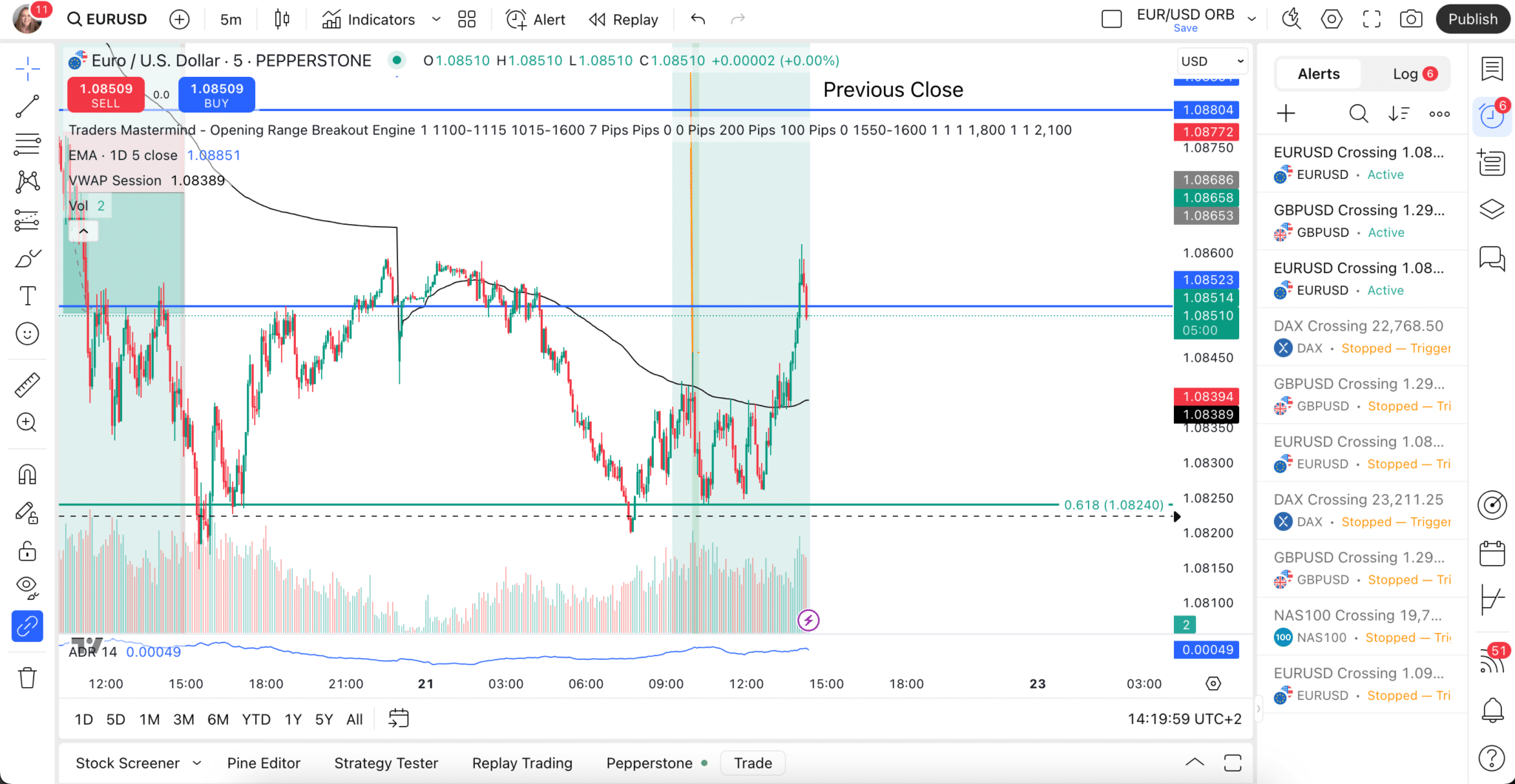
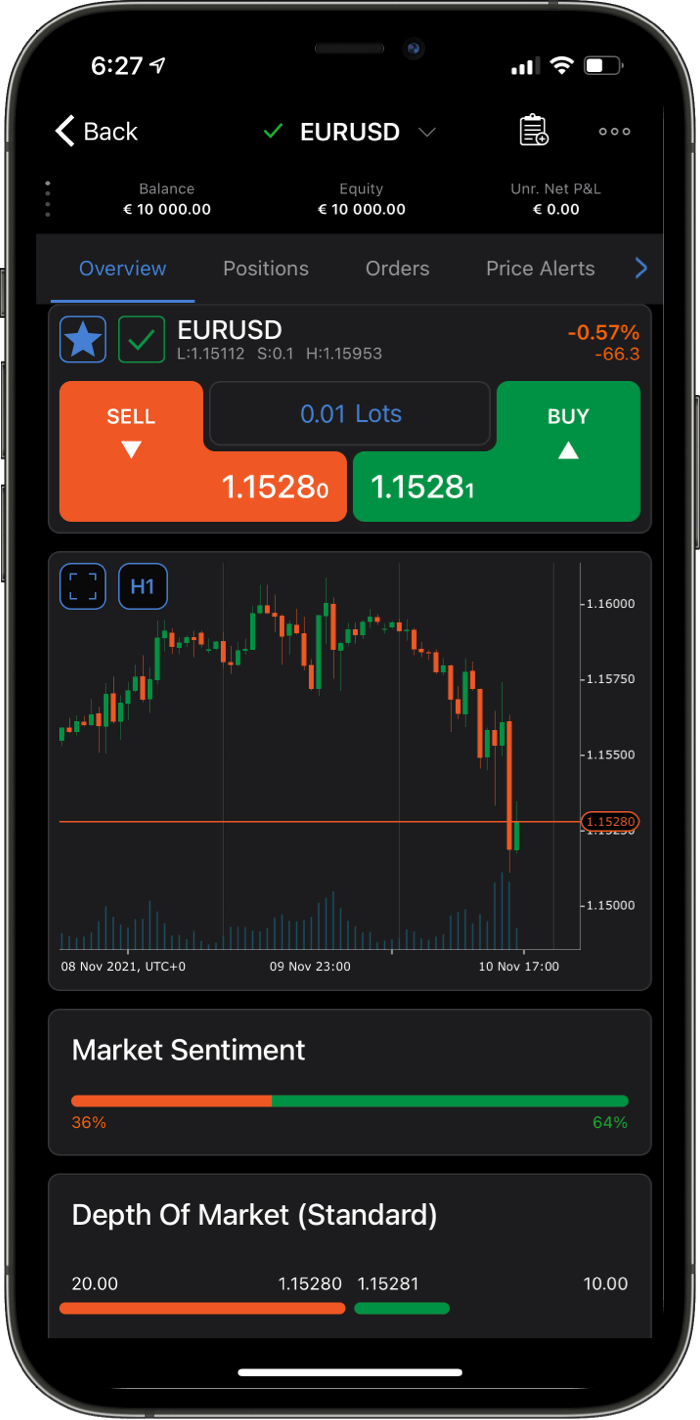
Pepperstone | Best for: Kenyan traders looking for true ECN conditions with fast execution and minimal slippage

FxScouts
 YouTube
Select another broker to another broker to compare features, fees, and platforms side by side.
0.1 pips
FSA-Seychelles, SCB, ASIC, CySEC
USD 200
TradingView, cTrader, MT5, MT4
500:1
IC Markets offers average spreads of 0.1 pips on EUR/USD and connects to over 50 liquidity providers for deep market access.
Only $3.5 per side per standard lot on Raw Spread account—among the lowest globally ECN fees.
No restrictions on EAs or scalping—ECN routing allows unlimited order volumes and execution speeds - under 40ms.
Includes email, live chat, and phone access with fast response times.
Kenyan traders must convert their deposits into USD or EUR, adding a minor FX risk.
ECN setup can be complex for new traders due to lack of simplified onboarding materials.
IC Markets | Best for: Advanced traders in Kenya needing raw ECN spreads and unlimited trading strategies
FxScouts
YouTube
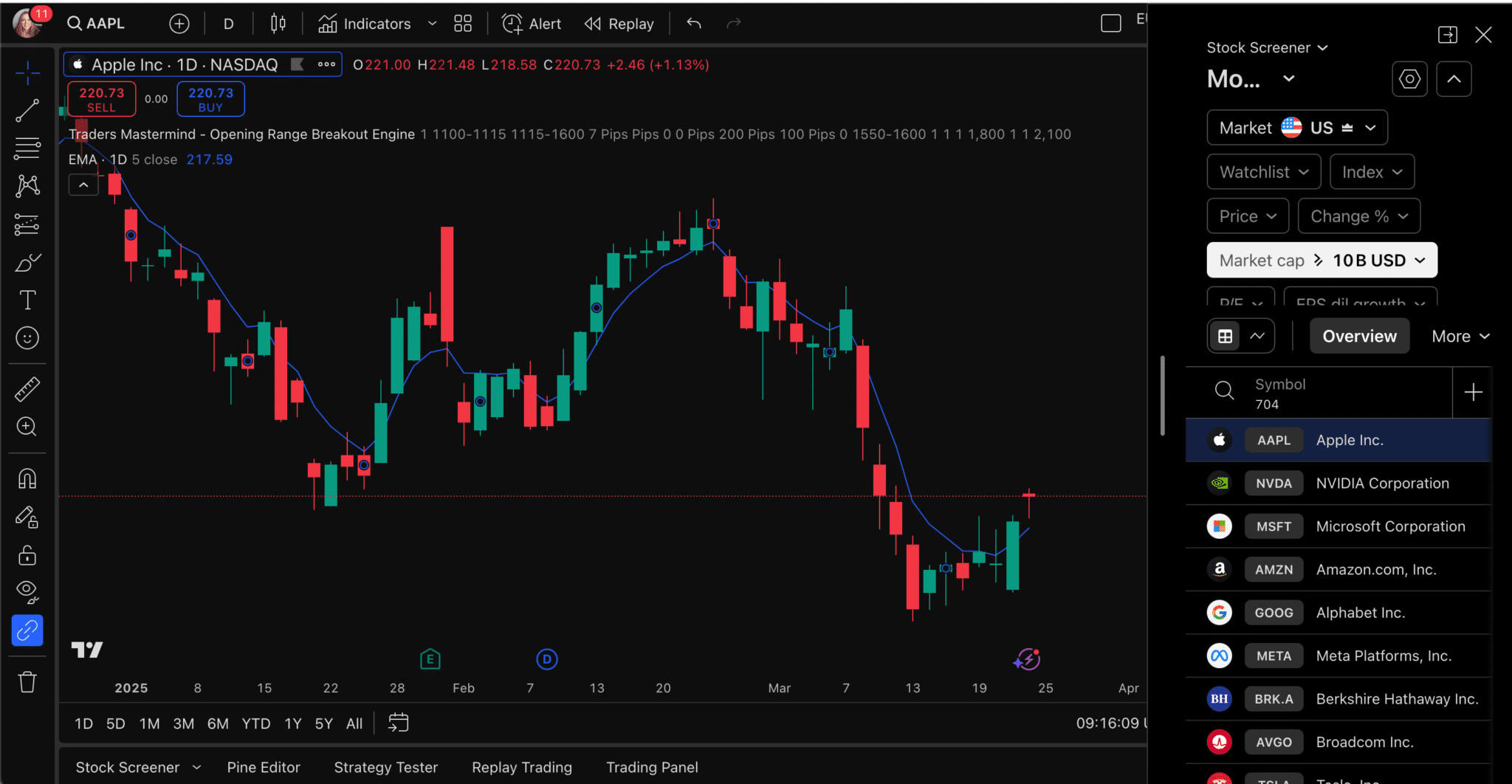
Select another broker to another broker to compare features, fees, and platforms side by side.
0.0 pips
FMA, FSA-St-Vincent, DFSA, ASIC, FCA
USD 0
TradingView, MT5, MT4
1000:1
Offers raw spreads from 0.0 pips with $7 commission round-turn – competitive pricing for ECN access.
Exclusive free access to advanced analytics tools valued at hundreds of dollars annually.
Custom plugins and indicators enhance MetaTrader usability for ECN traders.
Dedicated customer service accessible to traders across the African continent.
Only MT4 and MT5 platforms are supported, limiting flexibility for multi-platform traders.
Beginner traders in Kenya may find a lack of step-by-step learning materials.

Axi | Best for: Kenyan traders seeking ECN pricing plus free third-party trading tools
FxScouts
YouTube
Select another broker to another broker to compare features, fees, and platforms side by side.
0.0 pips
FSCA, ASIC, CySEC
AUD 100
TradingView, cTrader, MT5, MT4
500:1
Offers institutional-grade spreads from 0.0 pips and connects via NY4 Equinix data center.
Start ECN trading with just $100, one of the lowest for true ECN access in Kenya.
Charges just $3 per side per lot – more affordable than many competitors in its class.
Rare combination of MT4/MT5 and DMA-based IRESS trading platform for more asset coverage.
FP’s institutional-grade tools may overwhelm beginners not familiar with CFD mechanics or VIX hedging strategies.
While pricing is real, some slippage dynamics differ slightly from live execution.
FP Markets | Best for: Cost-conscious ECN traders in Kenya who want top-tier conditions with low capital
FxScouts
YouTube
Select another broker to another broker to compare features, fees, and platforms side by side.
0.1 pips
CMA, FSA-Seychelles, FSC, B.V.I FSC, FSCA
USD 3
Exness Terminal, MT5, MT4
Unlimited:1
Access ECN-style execution with spreads from 0.0 pips and commission from $0.2 per lot – the lowest in the market.
Unique in offering unlimited leverage after qualifying trading volume – a key appeal for capital-constrained traders.
90%+ of withdrawals processed automatically within seconds, via mobile money or bank.
Allows EAs, scalping, news trading, and high-frequency execution – no trading restrictions.
Traders must first meet criteria such as minimum lot size to unlock.
Exness does not officially market itself as ECN, despite offering ECN-like execution in Raw accounts.
Exness | Best for: Kenyan scalpers seeking ultra-high leverage and near-instant withdrawals with ECN-like pricing
FxScouts
YouTube
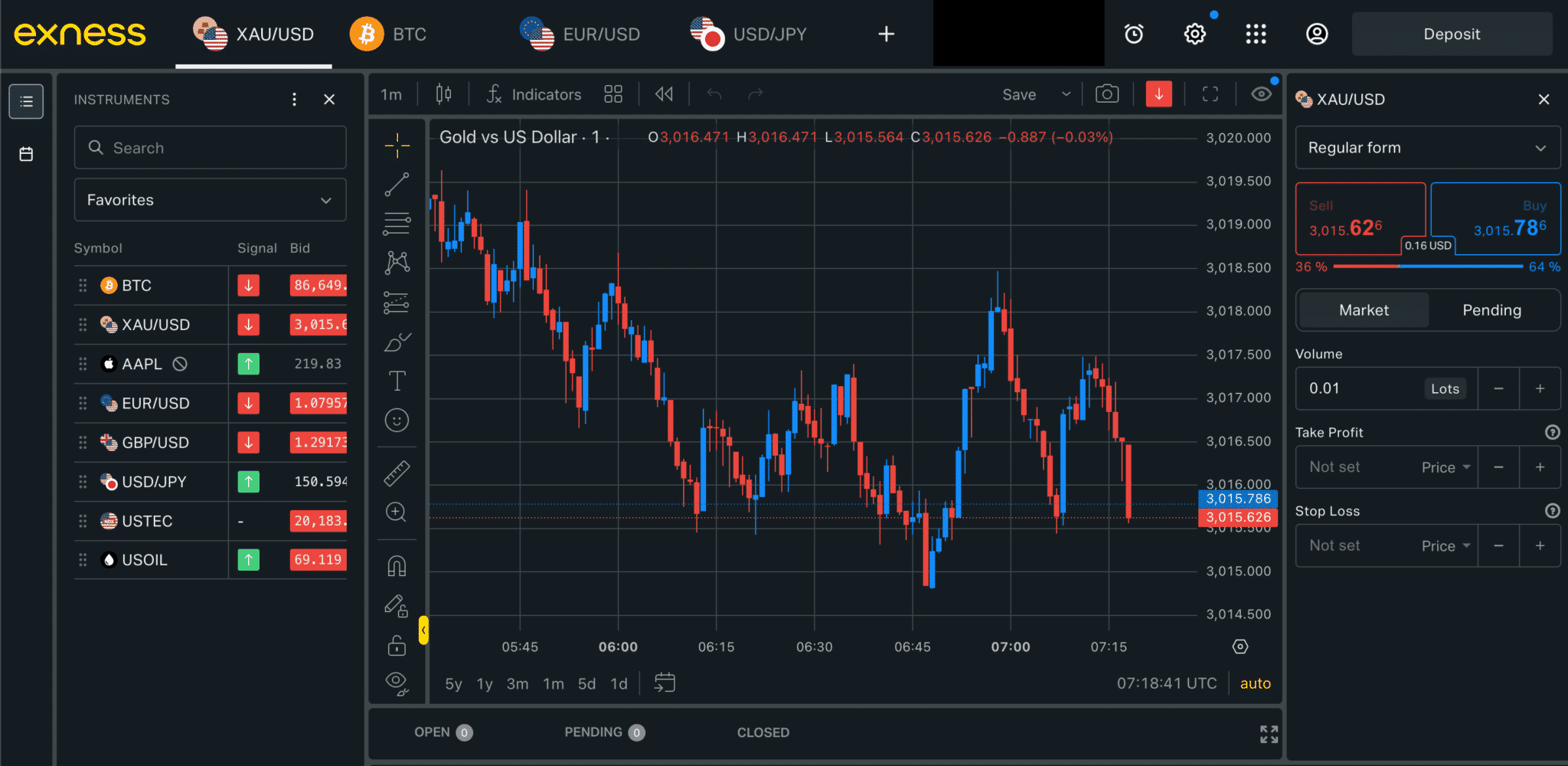
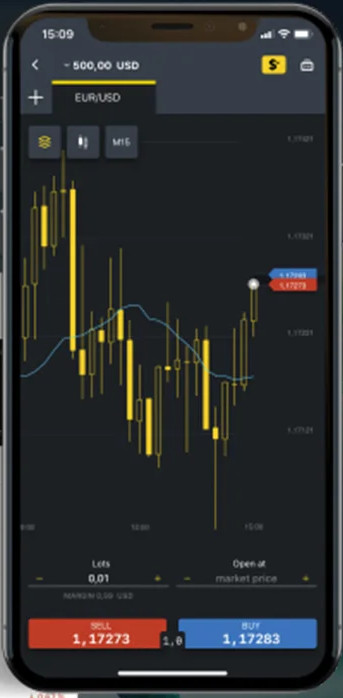
Select another broker to another broker to compare features, fees, and platforms side by side.


ECN brokers use high-speed networks to find the best pricing available and execute trade orders as quickly as possible.
When comparing ECN brokers, always consider:
Trading cost: Traders seek out ECNs brokers because of their low trading costs. Trading costs on ECN accounts are a combination of the spread and a commission. Trading costs for one lot of EUR/USD at ECN brokers will range from 6 USD to 18 USD, depending on the broker’s trading conditions.
Execution quality: A combined metric used to discuss execution speed, slippage and rejection rate, execution quality describes the connection between the broker and the market and will directly impact the level of control a trader has over their positions. A high-grade ECN broker will have fast execution speeds, which leads to less slippage in pricing between when the order is executed and when it is opened, and less order rejection due to unavailable counterparties. Better execution quality will produce fewer unintentional losses.
Execution venues: ECN brokers are never counterparty to client trades. Instead, it uses its network to place trades with third parties. These third parties are called execution venues. The more execution venues an ECN broker has, the more competition there will be for its client’s trades, leading to lower spreads and lower overall trading costs for traders.
Tradable Assets: A good ECN broker will offer clients a larger number of FX Pairs and other CFD assets to trade. Having a limited set of trading assets can negatively affect the traders, as they would miss out on trading opportunities.
Regulation: Regulators monitor the activities of the broker and the trading desk. Unregulated ECN brokers are dangerous as there is no way of telling if they are ECN brokers without making a deposit and opening a trade. Brokers regulated by the FCA (UK), ASIC (Australia) or MAS (Singapore) have better reputations for enforcement and thus ensure their member ECN brokers strictly follow protocols designed to protect clients and their trades.
Trading tools: Leading ECN brokers will offer traders a free Virtual Private Server (VPS) service, guaranteeing high-quality execution around the clock. Other trading tools offered by the best ECN brokers include indicator packages to assist with automated trading and in-platform market analysis tools such as Trading Central or Autochartist.
An ECN broker is a Forex broker that uses an electronic communication network (ECN) to connect traders to liquidity providers. ECN brokers are intermediaries and don’t take trades themselves, unlike a Market Maker broker which takes trades on to its own books.
ECN stands for Electronic Communication Network. An ECN broker sits at the centre of this communication network, like a spider in a web. The other members of the network are liquidity providers like banks, hedge funds and other brokers.
Every time a client places a trade with an ECN broker it collects prices from the members of this network and presents the trader with the tightest spread it could find to fulfill the volume requirement. Because the liquidity providers in this network are competing for your trade, ECN brokers have very tight spreads which can approach 0 pips.
ECN brokers do not make any money from the spread. Instead, they will charge a commission, which is their fee for playing matchmaker and finding a counter-party to your trade. Traditional brokers (Market Makers) have wider spreads because they charge their fee in the spread.
Because ECN brokers only act as an intermediary for a trade, they do not make money when traders lose. In fact, the reverse is true. Over time, a successful trader pays more in commission to an ECN broker, so ECN brokers want their clients to be profitable.
Traders may prefer to trade with ECN brokers because there is no conflict of interest between trader and broker. Most market maker brokers will trade against their clients in their role as the counter-party, which means the broker makes money when their clients lose. Since ECN brokers earn money from client trade volume on all instruments traded, ECN brokers make more money when traders profit.

ECN Brokers have a higher risk of slippage and requotes. Because ECN brokers rely on external liquidity to match client’s trades, they are not always posted instantly. This can be a problem at times of high volatility – usually after a large event or data release – or at times of low liquidity – such as when most of the markets are closed. This also means that the market can move past your stop-loss orders, and your losses may exceed your expectations.
The last thing to be aware of with ECN brokers is that they generally require a larger minimum deposit – setting up and maintaining an ECN brokerage is an expensive business and traders will be charged more as a result. ECN Brokers require higher minimum deposits.


With an ECN broker, the counterparty to your trade will be a liquidity provider from the broker’s network. With a market maker broker, the broker will be the counterparty to your trade.
Market Makers are also known as dealing desk brokers, as all trades will be filled at the rates set by the broker’s internal dealing desk. This business model, which means a market maker will always profit from their clients’ losses, generates an inherent conflict of interest which many traders are cautious of.
Currently, most well-regulated market makers are well regarded in the industry, despite the conflict of interest, and they go to great lengths to ensure their clients are not being unfairly treated.
But, Market Maker brokers are not a common choice for experienced Forex traders. Traders are limited to trading with one counter-party who is always trading against you and never on the open market with dynamic spreads.
However, if you do want instant execution of your trades and you don’t want to pay a commission, a trusted market maker is a good idea.
There are a few ways to check: ECN brokers will describe their execution model in their legal documents, ECN brokers will always have variable spreads, ECN brokers will not have any trading restrictions (trade size, stop-loss limits, scalping or hedging bans), and traders with an ECN broker will experience both negative and positive slippage.
All regulated brokers are required by law to publish a Client Agreement and Order Execution Policy stipulating their execution methods. Some ECN brokers will also act as Market Maker in certain circumstances, so this is not an always foolproof method of determining a broker type. See below for an extract from Pepperstone’s execution policy showing that they are an ECN broker.
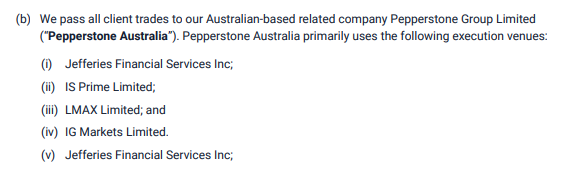
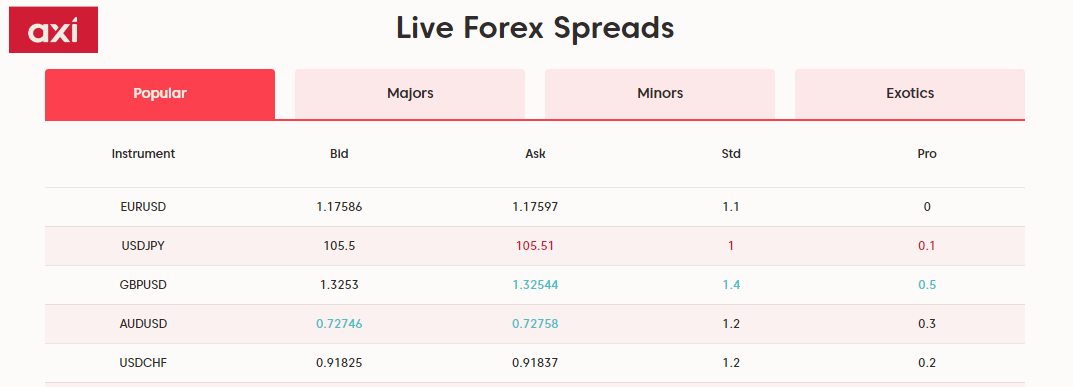
ECN’s offer tight spreads and charge a commission per trade, and the spreads will also be variable. Fixed spreads are only offered by Market Makers, as they are not taken from a live and dynamic market. Below you can see that Axi publishes its live spreads on its website, these are variable and are taken from their network of liquidity providers.
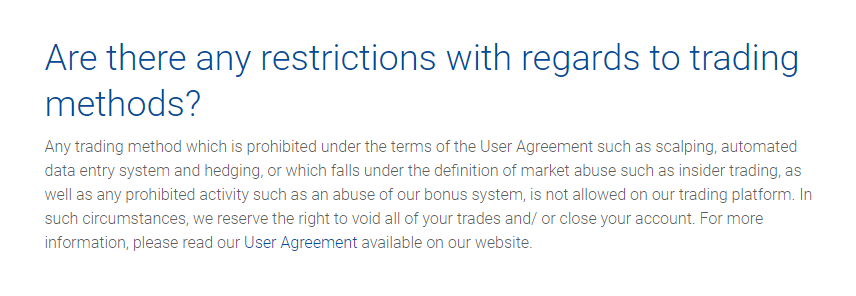
ECN brokers will never restrict your trading methods or trade size. This means that all automated trading, scalping, hedging and large order sizes (anything of 5 lots or over) will all be allowed. If a broker restricts any of these then it is not an ECN broker.
A good example of a broker with these restrictions is Plus500, a well-known market maker:
Slippage is the difference between the execution price and the order price at the time the order is submitted for execution. Slippage is a normal aspect of trading with ECN brokers, particularly for orders of a larger size and during times of thin liquidity and/or volatile market conditions.
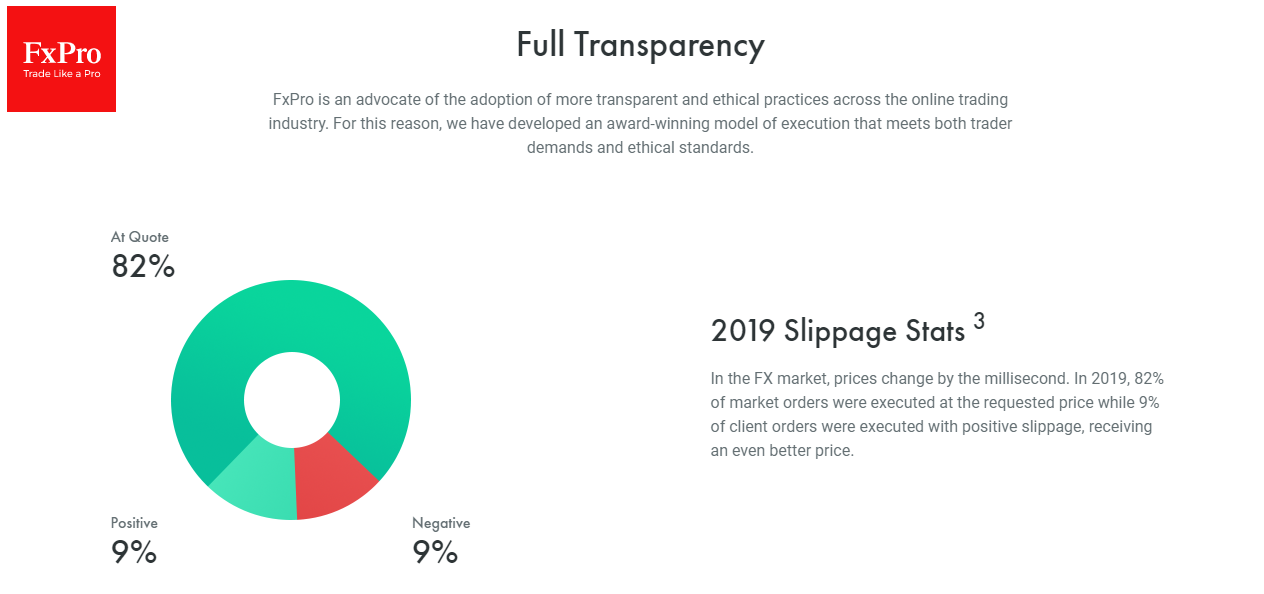
Slippage can both positively and negatively impact your trading position. If you find that you are only experiencing negative slippage, then your broker is not using an ECN execution method. Another well known ECN broker is FxPro, which is dedicated to full transparency and always publishes its slippage statistics, see below for its 2019 figures:
So, while ECN brokers do not have the inherent conflict of interest present with market makers, commission will always be charged on your trades. ECN accounts will also require a higher minimum deposit – putting them out of reach for many beginner traders.
Are ECN brokers objectively better than market maker? This is not necessarily the case. All brokers we work with are trustworthy and well-regulated and broker choice is always down to personal preference. Whether you go with an ECN broker or a market maker, if you choose one from our list of the best in Kenya you will be in good hands.


Find answers to the most common questions about ECN brokers.
ECN Accounts will have tighter spreads than a Standard Account, but you will have to pay a commission per trade. Standard Accounts will not have any commission, but spreads will be wider.
ECN Brokers make money by charging traders a commission per trade. Because they pass pricing on directly from their liquidity providers, they do not charge a fee in the spread.
ECN/STP brokers are better because they will have less slippage and a faster execution speed than a pure ECN broker.
STP (Straight Through Processing) is the method of the transaction – with STP your order is sent directly to the counterparty through the Financial Information Exchange (FIX) protocol. The FIX protocol decreases trade execution time, reduces slippage, and ensures that traders get the best available pricing.
The STP protocol can be used by market-maker brokers as well as ECN brokers, and some brokers use a hybrid formula, where they will sometimes be the counterparty, and other times use an external liquidity provider. While this does lead to less slippage, it does mean that some trades will have a conflict of interest.
In most cases choosing a hybrid broker is the best way to go, as they will give you the most options.
Explore more resources that fellow traders find helpful! Check out these other guides to enhance your forex trading knowledge and skills. Whether you’re searching for the best brokers, educational material, or something more specific, we’ve got you covered.
Discover the top Forex brokers for Kenyan traders. Compare top platforms, fees and features to make an informed trading choice.

Compare the best Forex trading platforms for 2026, including MT4, MT5, cTrader, and TradingView. Find the right tools to enhance your trading experience.

What is Forex trading and how does it work? An easy-to-read guide including how to trade, and how to choose a reliable broker.
60-90% of retail traders lose money trading Forex and CFDs. You should consider whether you understand how CFDs and leveraged trading work and if you can afford the high risk of losing your money. We may receive compensation when you click on links to products we review. Please read our advertising disclosure. By using this website, you agree to our Terms of Service.
Partner Manager and Financial Writer
Head of Content
Financial Writer




Welcome to the FxScouts community! We’re thrilled to have you on board. You’ve successfully signed up for our forex newsletter, where you’ll receive expert insights, market analysis, and the latest news straight to your inbox.
Get ready to stay ahead of the curve with our regular updates designed to help you make informed trading decisions.
Happy trading!
The FxScouts Team