




- Find the best broker for your trading needs
- Compare spreads, fees, and platforms
- Read in-depth reviews and analysis

Page Navigation


Select a different country or region to view content tailored to your location.

FxScouts helps traders across the globe by meticulously testing and reviewing online brokers and providing Forex education and market analysis. Our partners compensate us through paid advertising. While partners may pay to provide offers or be featured, they cannot pay to alter our recommendations, advice, ratings, or any other content. Our content and research teams do not participate in any advertising planning nor are they permitted access to advertising campaign data. For more detailed information click this link.

Alison Heyerdahl is the Head of Content at FxScouts, a Chartered Market Technician (CMT), and an experienced trader, as well as a financial writer with extensive expertise in Forex trading, broker analysis, and market research. She has reviewed 100+ brokers, publishes weekly YouTube trading videos, and co-hosts the “Let’s Talk Forex” podcast.

Alison Heyerdahl is the Head of Content at FxScouts, a Chartered Market Technician (CMT), and an experienced trader, as well as a financial writer with extensive expertise in Forex trading, broker analysis, and market research. She has reviewed 100+ brokers, publishes weekly YouTube trading videos, and co-hosts the “Let’s Talk Forex” podcast.
Chris manages the relationships with our partners to provide the best Forex trading experience possible for our users. Chris has 15+ years of research, and editorial and design experience for political and financial publications. His background has given him a deep understanding of international financial markets and the geopolitics that affect them.
Looking to grow your portfolio without being glued to the charts? Whether you’re a beginner or a busy professional, copy trading allows you to mirror the trades of experienced traders—automatically. And in 2026, it’s safer and smarter than ever, especially when using CMA-regulated brokers.
Trusted. Transparent. Tested.
For over a decade, we’ve set the standard in forex broker reviews—collecting thousands of data points yearly to deliver unbiased, expert-backed insights.
Skip the trial and error! Below, you’ll find the best forex brokers for Kenyan traders for 2026—thoroughly tested, verified, and ranked, so you can trade with confidence.

Swipe to scroll
Broker | Official Site | Copy Trading | Autochartist | Trading Central | Trading View | Regulators | Platforms | Compare | ||||||||
|---|---|---|---|---|---|---|---|---|---|---|---|---|---|---|---|---|
 | Yes | USD 100 | 400:1 | No | Yes | No | 930 | 636 | 25 | 36 | 63 |      | MT4, MT5, Avatrade Social, AvaOptions | |||
 | Yes | USD 0 | 400:1 | Yes | No | No | 1230 | 111 | 5 | 24 | 53 |     | MT4, MT5, HFM Trading App | |||
 | Yes | USD 0 | 400:1 | Yes | No | Yes | 1597 | 1300 | 40 | 23 | 90 |   | MT4, MT5, cTrader, TradingView, Pepperstone Platform | |||
 | Yes | USD 200 | 500:1 | Yes | Yes | Yes | 1744 | 1600 | 22 | 25 | 64 |  | MT4, MT5, cTrader, TradingView | |||
 | Yes | USD 100 | 200:1 | No | Yes | No | 2241 | 2090 | 0 | 19 | 70 | | MT4, MT5, cTrader, FxProEdge | |||
 | Yes | AUD 100 | 500:1 | Yes | No | Yes | 10162 | 10000 | 11 | 17 | 70 | | MT4, MT5, cTrader, TradingView | |||
 | Yes | USD 10 | 1000:1 | No | Yes | No | 2193 | 2000 | 7 | 13 | 49 | | MT4, MT5, NAGA Web App | |||
 | Yes | USD 25 | 1000:1 | Yes | No | No | 253 | 150 | 5 | 10 | 52 |   | MT4, MT5, OctaTrader | |||
 | Yes | USD 5 | 1000:1 | No | Yes | No | 1554 | 1300 | 10 | 20 | 57 |  | MT4, MT5 | |||
 | Yes | USD 3 | 0:1 | No | Yes | Yes | 221 | 70 | 0 | 11 | 100 |  | MT4, MT5, Exness Terminal |










Select another broker to another broker to compare features, fees, and platforms side by side.
Find Your Ideal Forex Broker
Select another broker to another broker to compare features, fees, and platforms side by side.
0.9 pips
FRSA, CBI, FSCA, ASIC, CySEC
USD 100
AvaOptions, Avatrade Social, MT5, MT4
400:1
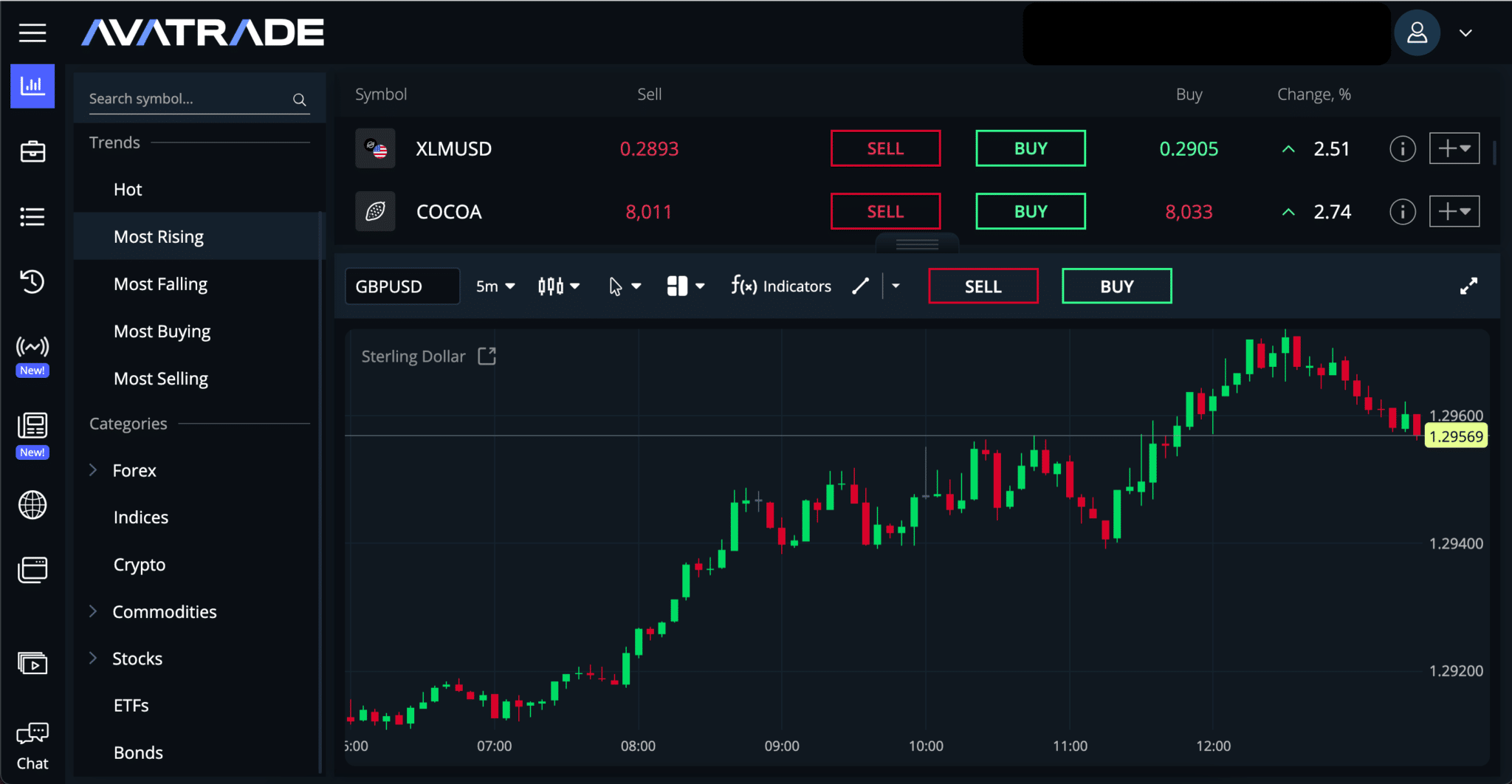
AvaTrade supports DupliTrade, ZuluTrade, and its proprietary AvaSocial, offering flexibility across copy trading styles.
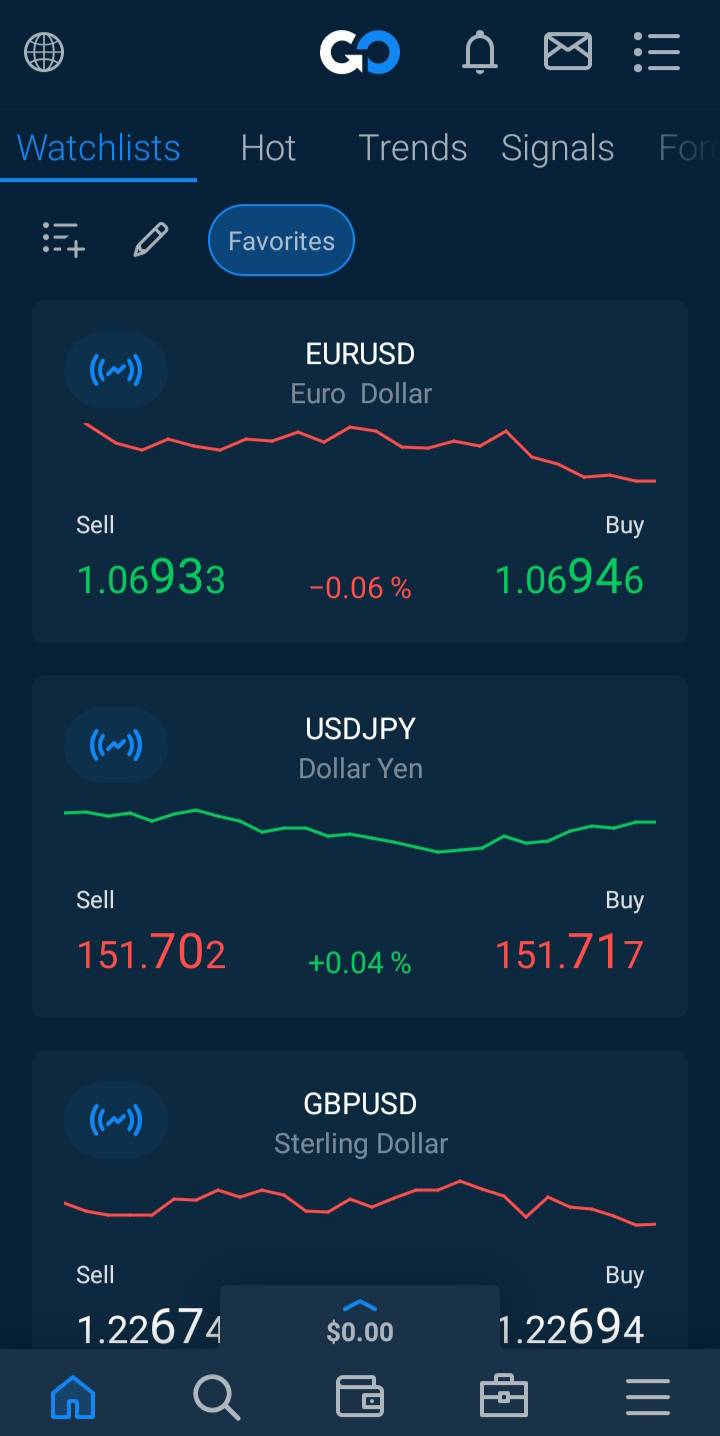
Traders in Kenya can copy trades directly on mobile and interact with signal providers through in-app chat and performance tracking.
AvaTrade is regulated in multiple jurisdictions, including the FSCA of South Africa, offering Kenyan clients trusted oversight.
All platforms offer verified historical data, risk metrics, and ranking filters to help users select the right strategy provider.
Not suitable for beginners or low-budget users who want to copy trade with smaller accounts.
AvaProtect is not available on DupliTrade or ZuluTrade, only via AvaTradeGO and AvaSocial.
AvaTrade | Best for: Kenyan traders who want an integrated and regulated copy trading platform with multiple provider options

FxScouts
 YouTube
Select another broker to another broker to compare features, fees, and platforms side by side.
0.0 pips
FSA-Seychelles, FSC, DFSA, FSCA, FCA, CySEC
USD 0
HFM Trading App, MT5, MT4
400:1
No need to connect third-party services – copy trading is integrated within the HFM platform itself, ideal for beginners.
Followers can start copying strategy providers with as little as $25, making it accessible to Kenyan retail traders.
Strategy providers only earn when followers profit—aligns incentives and increases transparency.
HFcopy works within MetaTrader 4, making it easy for users familiar with the platform.
The platform is limited to MT4; advanced users might miss newer platforms.
HFcopy lacks detailed analytics or filtering compared to global competitors.
HFM | Best for: Kenyan traders who prefer easy-to-use in-house copy trading with low entry requirements
FxScouts
YouTube
Select another broker to another broker to compare features, fees, and platforms side by side.
0 pips
CMA, BaFin, ASIC, FCA, CySEC
USD 0
Pepperstone Platform, TradingView, cTrader, MT5, MT4
400:1
Supports DupliTrade, Myfxbook AutoTrade, and MT4/MT5 Signals for diverse strategy sourcing.
Ideal for those copying high-frequency or scalping strategies, with spreads from 0.0 pips.
Regulated by FCA, ASIC, and CMA—gives Kenyan traders access to a globally trusted provider.
Latency below 60ms helps ensure copied trades are not delayed or slipped, crucial for follower success.
Users must navigate third-party tools—potentially complex for beginners.
Some tools like DupliTrade require a 5,000 AUD minimum capital amount.
Pepperstone | Best for: Kenyan traders seeking advanced copy trading tools through global platforms like Myfxbook, DupliTrade, and MetaTrader Signals
FxScouts
YouTube
Select another broker to another broker to compare features, fees, and platforms side by side.
0.1 pips
FSA-Seychelles, SCB, ASIC, CySEC
USD 200
TradingView, cTrader, MT5, MT4
500:1
Offers full access to top-tier copy platforms like Myfxbook, ZuluTrade and its own, native IC Social app.
Server locations close to liquidity providers ensure minimal slippage when following live trades.
Favourable spreads and commission transparency help optimise profitability from copied trades.
Traders can use preferred platforms and integrate copy systems seamlessly.
IC Markets offers minimal in-app guidance for copy trading, which may require beginners to self-learn.
Third-party tool setup may require technical know-how or guidance.
IC Markets | Best for: Kenyan copy traders who want access to globally competitive strategies and professional-grade execution
FxScouts
YouTube
Select another broker to another broker to compare features, fees, and platforms side by side.
0.4 pips
SCB, DFSA, FSCA, FCA, CySEC
USD 100
FxProEdge, cTrader, MT5, MT4
200:1
FxPro offers cTrader Copy, allowing Kenyan traders to follow and copy top-performing strategy providers while maintaining control over risk parameters.
Kenyan traders can access MT4, MT5, and cTrader, offering flexibility for manual trading alongside copy trading — all with reliable execution.
FxPro is regulated by tier-1 authorities, ensuring fund safety, transparent pricing, and a secure trading environment for Kenyan traders.
Spreads from 0.0 pips on cTrader Raw accounts with low commissions, giving Kenyan copy traders and manual traders competitive pricing.
Kenyan traders can adjust lot sizes and stop copying anytime on cTrader Copy, giving flexibility to manage risk while using copy trading strategies.
Copy trading is only available on cTrader Copy; MT4 and MT5 do not have native copy trading support with FxPro.
FxPro does not offer deposit bonuses, which may disappoint Kenyan traders looking for additional incentives.

FxPro | Best For: Copy trading via cTrader, advanced traders seeking platform variety
FxScouts
YouTube
Select another broker to another broker to compare features, fees, and platforms side by side.


Yes, copy trading is legal in Kenya but must be conducted under the oversight of the Capital Markets Authority (CMA). Because copy trading involves your trades being directly influenced by another trader’s decisions, it is regarded as a form of investment service.
Under Kenyan law, copy trading is considered a regulated financial service, and brokers or signal providers offering copy trading are required to be licensed by the CMA.
The CMA has stated that offering copy trading services without proper licensing is illegal, and the regulator actively monitors and takes action against unlicensed operators.
What is copy trading?
Copy trading is an investment method that lets a trader replicate the strategies of another, more experienced trader in real time. In other words, you (the copier) allocate some of your funds to follow a chosen expert (often called a signal provider). From that point on, any trade the signal provider executes—whether buying or selling an asset—is simultaneously executed in your account.
However, you still retain control of your account: you can stop copying or close a position at any time, since the funds stay in your own account. This means copy trading is essentially a form of delegated trading—you’re piggybacking on someone else’s market moves without handing your money over to them directly. It falls under the broader umbrella of “social trading” (alongside things like mirror trading and trading signal services), which has been around since the late 2000s. However, copy trading’s unique appeal lies in its automation and simplicity.
Copy trading works through specialised online platforms offered by brokers. First, you create an account on a platform that supports copy trading, and then you will deposit funds. You then select an experienced trader to copy by reviewing their profile—platforms usually display the trader’s past performance, risk level, preferred assets, and other statistics to help you decide.
Once you choose a trader and set the system to copy them, your account will be linked to theirs through the platform’s software. The broker’s platform facilitates this real-time copying. It ensures that any trade (buy or sell) the trader executes is duplicated for the follower, adjusted in proportion to the follower’s account size. After linking accounts, any trade the expert makes is replicated in your account almost instantly.
For example, if the expert buys the EUR/USD, your account will buy the EUR/USD at the same time. If they close a trade or set a stop-loss or take-profit order, those actions also happen in your account. The process is usually automated—you do not need to confirm each trade manually.
Proportional Trade Copying: A key feature of copy trading is that trades are copied proportionally to the size of the copier’s investment. In other words, you don’t need the same amount of money as the person you’re copying. The platform will scale each trade to your account size. For example, if the leader trader uses 10% of their portfolio to open a position, your account will use 10% of your allocated copy-trading funds for the same position. This proportional copying ensures that outcomes (profits or losses) are scaled to your account size, making copy trading viable for people with less capital. It’s an important risk management aspect: you won’t accidentally take an oversized position because the system automatically adjusts trade sizes relative to what you’ve invested in the copy relationship.
Finally, you remain in control throughout the process. A copier can adjust or halt the copying at any time. If the chosen trader changes strategy or starts performing poorly, you can stop following them (which will close any open copied trades in your account) or switch to a different strategy provider. Many platforms also offer risk management tools to help prevent you from losing money. For example, you might set a maximum loss threshold or only allocate a certain portion of your account to each copied trader.
Picking the right trader to copy is one of the most important decisions you’ll make in copy trading. After all, their decisions will directly affect your account balance. Here’s what to look for:
Look at Their Track Record
Take some time to review how the trader has performed over the past few months or years. Past performance is never a guarantee of future success, but it can show you how consistent and effective their approach has been over time. Are they steadily growing their account, or is it a rollercoaster of wins and losses?
Understand Their Strategy
Try to get a feel for how they trade. Do they focus on Forex, stocks, or crypto? Do they hold trades for days, or do they jump in and out quickly? More importantly, does their style suit your goals and comfort level? If you prefer a slow and steady approach, you probably don’t want to follow someone who takes big risks.
Check Their Risk Score
Most platforms give each trader a risk score based on how aggressively they trade. A high risk score might mean big wins — but also big losses. If you’re just starting out, it might be safer to follow someone with a more conservative score.
See How Many People Follow Them
A large number of followers can be a good sign that a trader is trusted by others. But don’t stop there. Use it as a starting point — not the only reason to copy them. What works for one person might not work for you, so make sure you do your own research before committing.
Regulation should be your starting point when comparing copy trading brokers in Kenya. Always choose a broker that’s authorised by the Capital Markets Authority (CMA) — it’s your best protection against fraud and poor business practices.
After that, review the cost structure. Some brokers provide copy trading through platforms like ZuluTrade, DupliTrade, or Myfxbook, which often come with additional fees. Be sure to understand exactly what fees apply before you start copy trading.
It’s also important to look at how much information the broker provides about the traders you can follow. Look for platforms that give you clear, detailed information about each trader you can copy. Factors like their trading history, risk profile, and the trader’s overall strategy should be easily understood. This kind of transparency makes it much easier to find someone whose approach fits with your own goals. It also helps if the broker offers filters so you can sort traders by performance, risk level, or the markets they focus on.
Stay away from brokers that tie you into long-term copy trading arrangements. You should have the freedom to stop copying a trader whenever you like — especially if their strategy changes or their results start to slip. Before signing up, check which accounts support copy trading, the minimum deposit, and how much you’ll be paying in spreads, commissions, and other fees. Taking the time to compare these details will help you avoid surprises and choose a broker that actually works for you.
While social and copy trading use online community-based platforms, they are quite different in their approach and level of involvement.
With copy trading, once you select a trader to follow, their trades are automatically copied into your account without further input, making it a hands-off method suitable for those who want market exposure without managing trades actively.
Social trading is more community-oriented, allowing you to watch other traders, chat, exchange ideas, and then decide if you want to copy specific trades.
For Kenyan traders, both options are now widely available through CMA-regulated and top-tier global brokers, providing a safer way to learn, connect, and build your account. Your choice depends on whether you wish to remain fully involved or prefer to follow experienced traders automatically.
Yes, all trading involves risk. It’s possible to lose money and make it, and the past performance of a trader is not necessarily indicative of their future results. Therefore, it’s always wise to do your due diligence, understand the trader’s strategy, and consider the level of risk you are comfortable with before starting copy trading.
Overall, copy trading can be a useful tool – especially for beginners looking to learn from experienced traders – but it like other types of trading, it carries risks. You can make money, but you can also lose money. There are no guarantees in trading, so approach copy trading with caution. Understand who and what you are copying, never risk more than you can afford to lose, and stick with regulated platforms for the best protection. By being aware of the risks and taking sensible precautions, Kenyan traders can make more informed decisions and avoid the common pitfalls of copy trading.


Find answers to common questions about copy trading, including legality and the minimum investment required.
No, you don’t need prior trading experience to begin copy trading. Many platforms are designed for beginners, offering simplified dashboards, performance metrics, and risk ratings to help you choose experienced traders to follow. But you should use copy trading as a learning process to better understand how to trade.
These terms are often used interchangeably but have subtle differences:
Copy trading can be a lower-barrier entry to forex markets, but it is still high-risk speculation. Beginners should start with demo accounts, diversify across multiple traders, choose platforms with risk control features, and frequently review. Always ensure your broker is well regulated.
Minimum deposits vary by platform. Some brokers allow you to start with as little as 1 USD, while others require 200 USD or more. Always check the specific minimum requirement for copy trading accounts.
If the trader you’re copying decides to stop trading, your account will not open any new trades. You will then need to select a new trader to follow.
Yes, you can stop copying a trader at any time. You should also continuously monitor your trades’ performance and make adjustments as needed.
Although the trades are automatically replicated from the trader you’re copying, you still retain control over your own account. You can manually close trades, pause copy trading, or stop copying a trader anytime.
Yes, most platforms allow you to copy multiple traders simultaneously. This can be beneficial as it allows you to diversify your portfolio across different trading strategies.
Yes. Many Forex brokers, such as HFM (HotForex) and AvaTrade, provide demo accounts that let you practice copy trading with virtual funds. This is a great way to learn how copy trading platforms work before investing real money.
The main costs of copy trading are:
Always review a broker’s fee structure carefully before committing.
Trades are usually copied in proportion to the amount of money you have allocated to copy a particular trader. For example, if the copied trader opens a trade using 10% of their balance, then a trade for 10% of the amount you allocated for copying them will be opened in your account.
With most good copy trading platforms, you retain full control over your trading account. You can close trades manually, pause copy trading, or stop following a trader at any time. You can also adjust your risk settings and allocation.
On social trading platforms like ZuluTrade and platforms offered by HFM (HotForex), you can engage directly with traders. Beginners can use this opportunity to ask questions, share ideas, and learn strategies.
Keep in mind that social trading can also lead to overtrading or deviating from your trading plan due to peer pressure and FOMO. Always remain disciplined when interacting with other traders.
Yes. Profits from copy trading are taxable under Kenyan tax law. Traders are required to declare these profits as part of their personal income under the Kenya Revenue Authority (KRA) guidelines.
Consult a registered tax advisor or visit the KRA website for up-to-date guidance on how to declare your trading profits.
Explore more resources that fellow traders find helpful! Check out these other guides to enhance your forex trading knowledge and skills. Whether you’re searching for the best brokers, educational material, or something more specific, we’ve got you covered.

Discover the top Forex brokers for Kenyan traders. Compare top platforms, fees and features to make an informed trading choice.

Compare the best Forex trading platforms for 2026, including MT4, MT5, cTrader, and TradingView. Find the right tools to enhance your trading experience.

What is Forex trading and how does it work? An easy-to-read guide including how to trade, and how to choose a reliable broker.
60-90% of retail traders lose money trading Forex and CFDs. You should consider whether you understand how CFDs and leveraged trading work and if you can afford the high risk of losing your money. We may receive compensation when you click on links to products we review. Please read our advertising disclosure. By using this website, you agree to our Terms of Service.
Partner Manager and Financial Writer
Head of Content
Financial Writer




Welcome to the FxScouts community! We’re thrilled to have you on board. You’ve successfully signed up for our forex newsletter, where you’ll receive expert insights, market analysis, and the latest news straight to your inbox.
Get ready to stay ahead of the curve with our regular updates designed to help you make informed trading decisions.
Happy trading!
The FxScouts Team