




- Find the best broker for your trading needs
- Compare spreads, fees, and platforms
- Read in-depth reviews and analysis

Page Navigation


Select a different country or region to view content tailored to your location.

FxScouts helps traders across the globe by meticulously testing and reviewing online brokers and providing Forex education and market analysis. Our partners compensate us through paid advertising. While partners may pay to provide offers or be featured, they cannot pay to alter our recommendations, advice, ratings, or any other content. Our content and research teams do not participate in any advertising planning nor are they permitted access to advertising campaign data. For more detailed information click this link.

Alison Heyerdahl is the Head of Content at FxScouts, a Chartered Market Technician (CMT), and an experienced trader, as well as a financial writer with extensive expertise in Forex trading, broker analysis, and market research. She has reviewed 100+ brokers, publishes weekly YouTube trading videos, and co-hosts the “Let’s Talk Forex” podcast.

Alison Heyerdahl is the Head of Content at FxScouts, a Chartered Market Technician (CMT), and an experienced trader, as well as a financial writer with extensive expertise in Forex trading, broker analysis, and market research. She has reviewed 100+ brokers, publishes weekly YouTube trading videos, and co-hosts the “Let’s Talk Forex” podcast.
Chris manages the relationships with our partners to provide the best Forex trading experience possible for our users. Chris has 15+ years of research, and editorial and design experience for political and financial publications. His background has given him a deep understanding of international financial markets and the geopolitics that affect them.
A Forex demo account is a free practice account that lets you trade live market prices with virtual funds. It’s the safest way to learn how Forex trading works, test strategies, and explore trading platforms before using real money. Offered by most regulated brokers, demo accounts provide a realistic trading environment that mirrors live market conditions.
In this guide, we explain why it’s important to use a demo account, tips to get the most from your demo account, and common mistakes to avoid.
Trusted. Transparent. Tested.
For over a decade, we’ve set the standard in forex broker reviews—collecting thousands of data points yearly to deliver unbiased, expert-backed insights.
Skip the trial and error! Below, you’ll find the best forex brokers for Kenyan traders for 2026—thoroughly tested, verified, and ranked, so you can trade with confidence.

Swipe to scroll
Broker | Official Site | Unlimited Demo | Support Hours | Platforms | Regulated | Website Language: English | Support Language: English | Compare | ||
|---|---|---|---|---|---|---|---|---|---|---|
 | Yes | 24/5 | USD 0 | MT4, MT5, HFM Trading App |       | Yes | Yes | |||
 | No | 24/7 | USD 0 | MT4, MT5, cTrader, TradingView, Pepperstone Platform |    | Yes | Yes | |||
 | No | 24/5 | USD 100 | MT4, MT5, Avatrade Social, AvaOptions |   | Yes | Yes | |||
 | No | 24/7 | USD 3 | MT4, MT5, Exness Terminal |  | Yes | Yes | |||
 | Yes | 24/5 | USD 0 | MT4, L2 Dealer, TradingView |     | Yes | Yes | |||
 | Yes | 24/5 | USD 10 | MT4, MT5, NAGA Web App | | Yes | Yes | |||
 | No | 24/5 | USD 5 | MT4, MT5 |  | Yes | Yes | |||
 | No | 24/7 | USD 200 | MT4, MT5, cTrader, TradingView |  | Yes | Yes | |||
 | No | 24/5 | USD 0 | xStation5 |  | Yes | Yes |











Select another broker to another broker to compare features, fees, and platforms side by side.
Find Your Ideal Forex Broker
Select another broker to another broker to compare features, fees, and platforms side by side.
0.0 pips
FSA-Seychelles, FSC, DFSA, FSCA, FCA, CySEC
USD 0
HFM Trading App, MT5, MT4
400:1
Unlike many brokers, HFM demo accounts don’t expire, giving traders ample time to practice and refine their strategies.
The demo environment replicates real market execution, spreads, and leverage settings across all account types.
Traders can simulate various account setups to understand how each performs before going live.
HFM pairs the demo with beginner-friendly tutorials, live webinars, and market analysis in a single interface.
Not all indicators and tools from the desktop platform are available in the HFM mobile demo.
Some exotic pairs and commodities may have limited availability in the demo mode.

HFM | Best for: Beginners in Kenya who want a flexible, long-term demo environment that mirrors live account conditions

FxScouts
 YouTube
Select another broker to another broker to compare features, fees, and platforms side by side.
0 pips
CMA, BaFin, ASIC, FCA, CySEC
USD 0
Pepperstone Platform, TradingView, cTrader, MT5, MT4
400:1
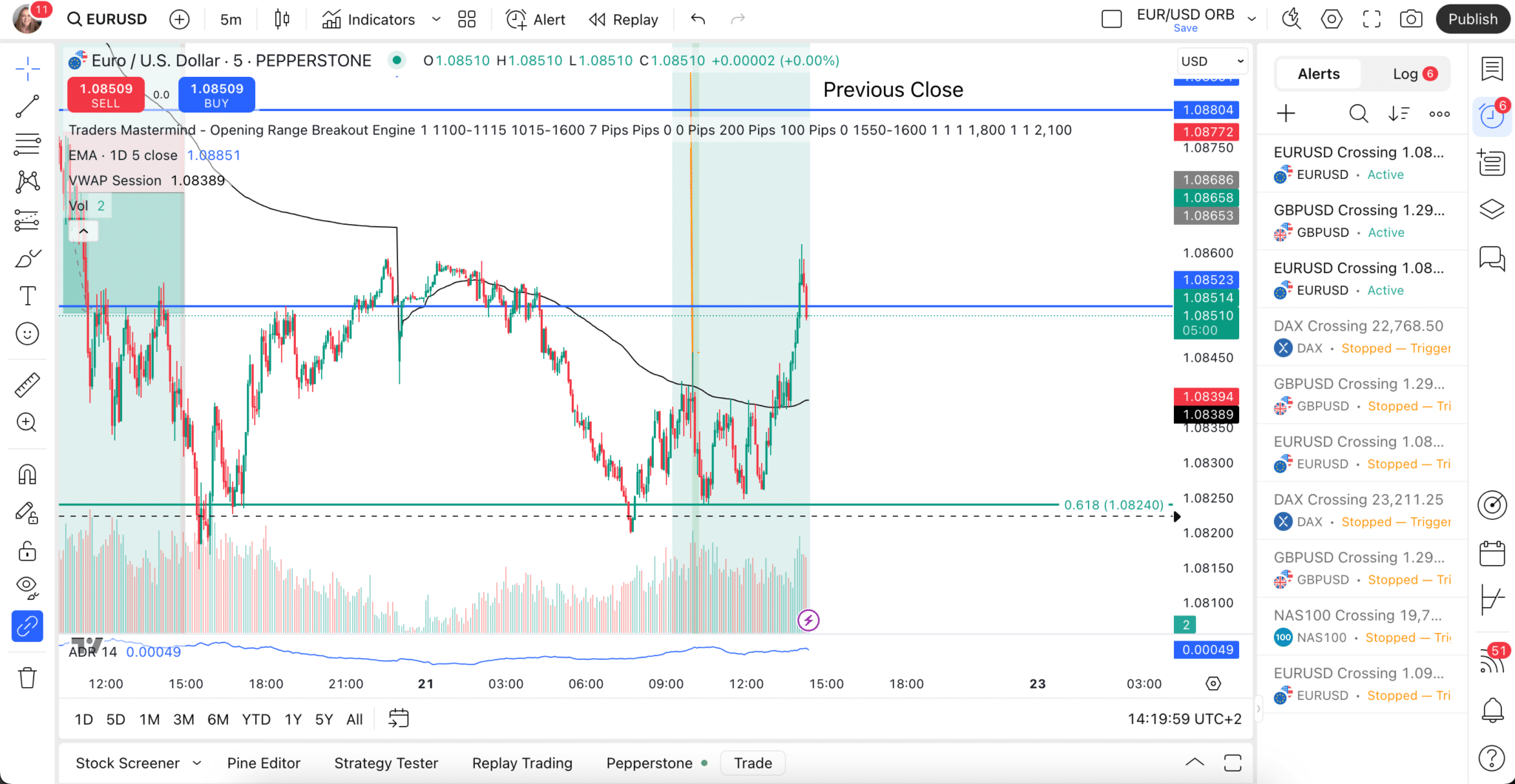
The demo replicates Pepperstone’s Razor account with raw spreads and lightning-fast execution, ideal for testing scalping and algo strategies.
While the default expiry is 30 days, Pepperstone allows extensions or reactivation by contacting support — great for ongoing practice.
Traders can compare performance across all four top-tier platforms under demo conditions before committing to a preference.
The demo reflects local trading conditions, including deposit currencies in KES and regional server access.
Learning resources are outside the platform—beginners need to combine demo use with the Learning Hub manually.
Inactivity for over 30 days disables demo accounts unless reactivated via support.
Pepperstone | Best for: Kenyan traders looking for a high-speed ECN-style demo experience with institutional-grade pricing
FxScouts
YouTube
Select another broker to another broker to compare features, fees, and platforms side by side.
0.9 pips
FRSA, CBI, FSCA, ASIC, CySEC
USD 100
AvaOptions, Avatrade Social, MT5, MT4
400:1
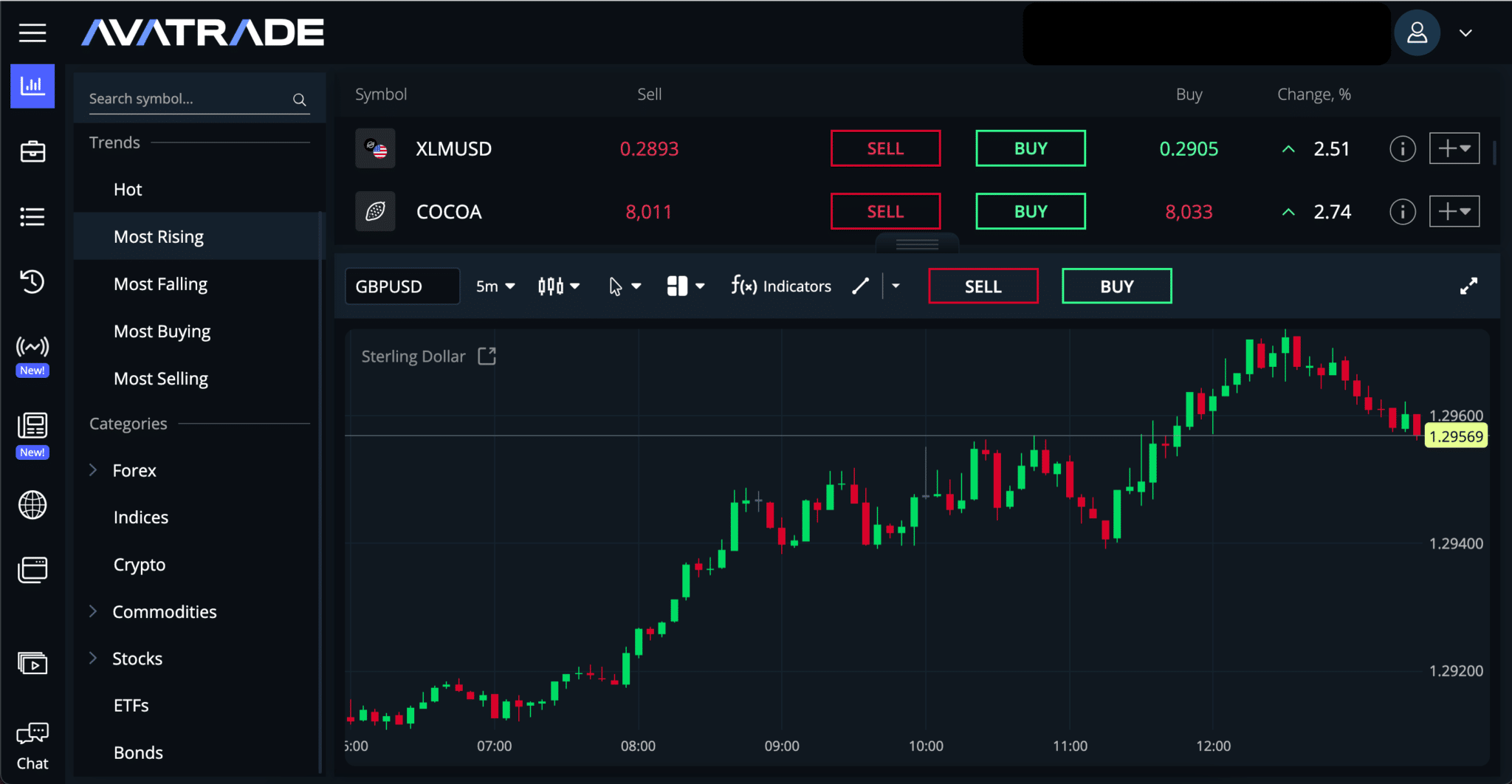
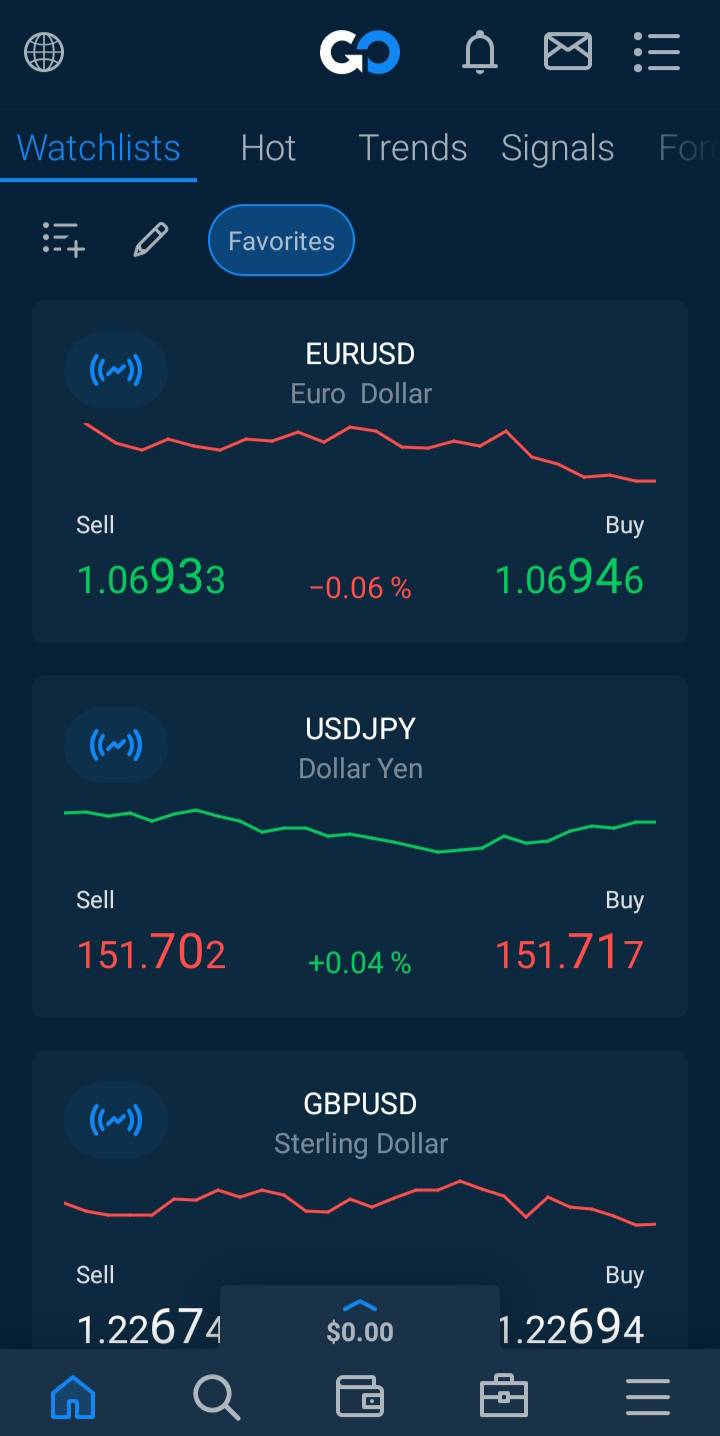
Ideal for mobile-first users, with simulated risk-management tools like AvaProtect integrated into the demo.
Allows testing across both the classic MT4 and Ava’s beginner-friendly proprietary platforms.
The demo includes market trends and trader positioning analytics for data-driven practice.
Demo users can access AvaAcademy with guided learning and quizzes alongside virtual trading.
AvaTrade does not allow extension—traders must open a new demo after expiry.
Features like guaranteed stops are limited or unavailable in demo environment.
AvaTrade | Best for: New traders in Kenya who want a clean interface and extra tools like AvaProtect in a risk-free environment
FxScouts
YouTube
Select another broker to another broker to compare features, fees, and platforms side by side.
0.1 pips
CMA, FSA-Seychelles, FSC, B.V.I FSC, FSCA
USD 3
Exness Terminal, MT5, MT4
Unlimited:1
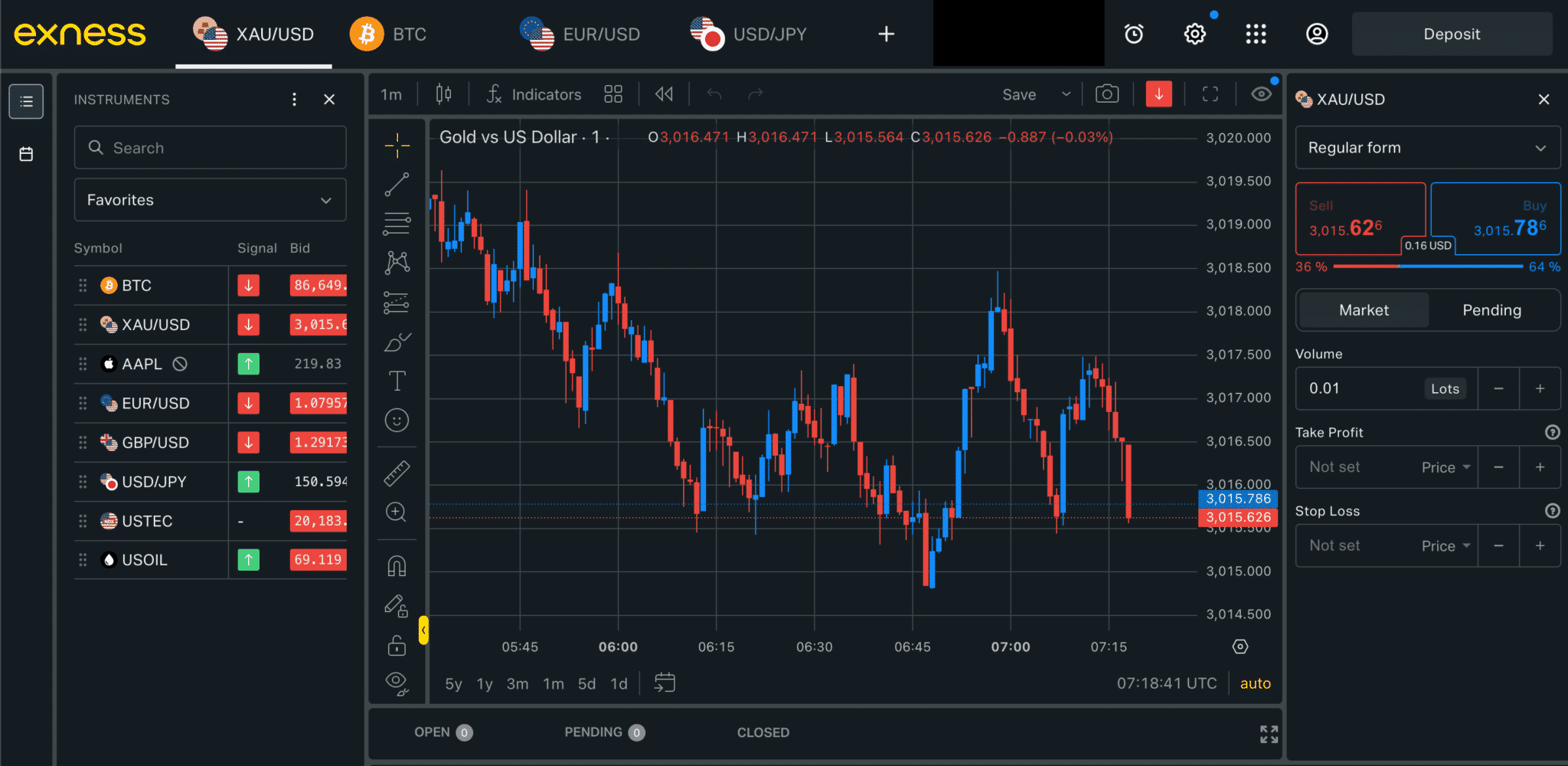
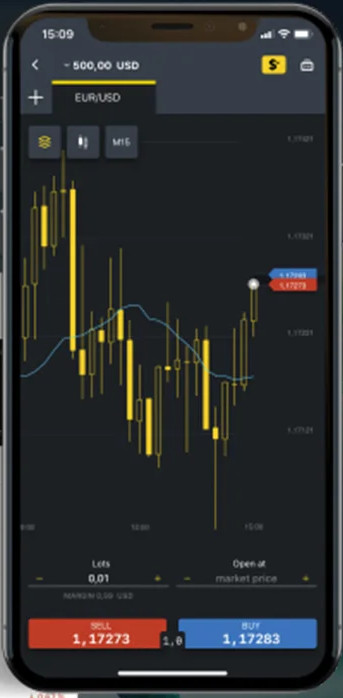
Perfect for long-term learning and strategy backtesting with no time pressure.
Users can simulate trading with Exness’s unique “unlimited leverage” offering to understand margin mechanics.
The Exness demo uses the same pricing engine as live, with sub-millisecond latency for EA/backtest validation.
The demo can be customised to reflect account currencies and deposit options relevant to Kenya.
Beginners need to pair demo usage with outside video or course materials.
Exness’s social trading is not available for simulation—only real accounts supported.
Exness | Best for: Kenyan traders testing high-leverage or scalping strategies with real-time execution and zero trading limits
FxScouts
YouTube
Select another broker to another broker to compare features, fees, and platforms side by side.
0.6 pips
CFTC, FINMA, FMA, Fi, BaFin, MAS, DFSA, FSA-Japan, FSCA, ASIC, FCA
USD 0
TradingView, L2 Dealer, MT4
200:1
IG’s demo replicates its award-winning web trader and includes thousands of instruments — not just FX.
Demo remains active indefinitely and mirrors real market conditions including live news and analytics.
Demo includes trailing stops, partial closes, and advanced charting with drawing tools — ideal for risk training.
Traders can go through structured beginner courses and immediately apply knowledge in the demo.
Full-function desktop experience is only available after live sign-up; demo is mostly web-based.
Maximum leverage in the demo is capped—not suitable for testing aggressive strategies.

IG | Best for: Kenyan traders who want institutional-level market access with educational resources tailored to beginners
FxScouts
YouTube
Select another broker to another broker to compare features, fees, and platforms side by side.


A Forex demo account simulates real trading with virtual money. It mirrors live market conditions so you can practise trading, understand leverage, and build experience without financial risk.
When you open a demo account, your broker gives you a balance of virtual money, usually between USD 10,000 and USD 100,000. You can use it to place trades, test strategies, and explore different order types in real time.
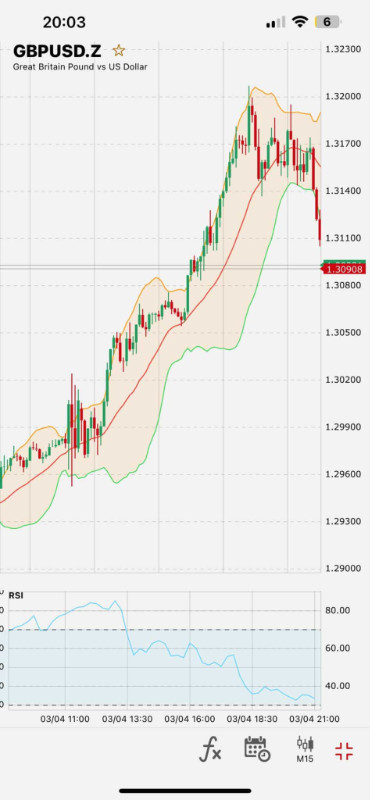
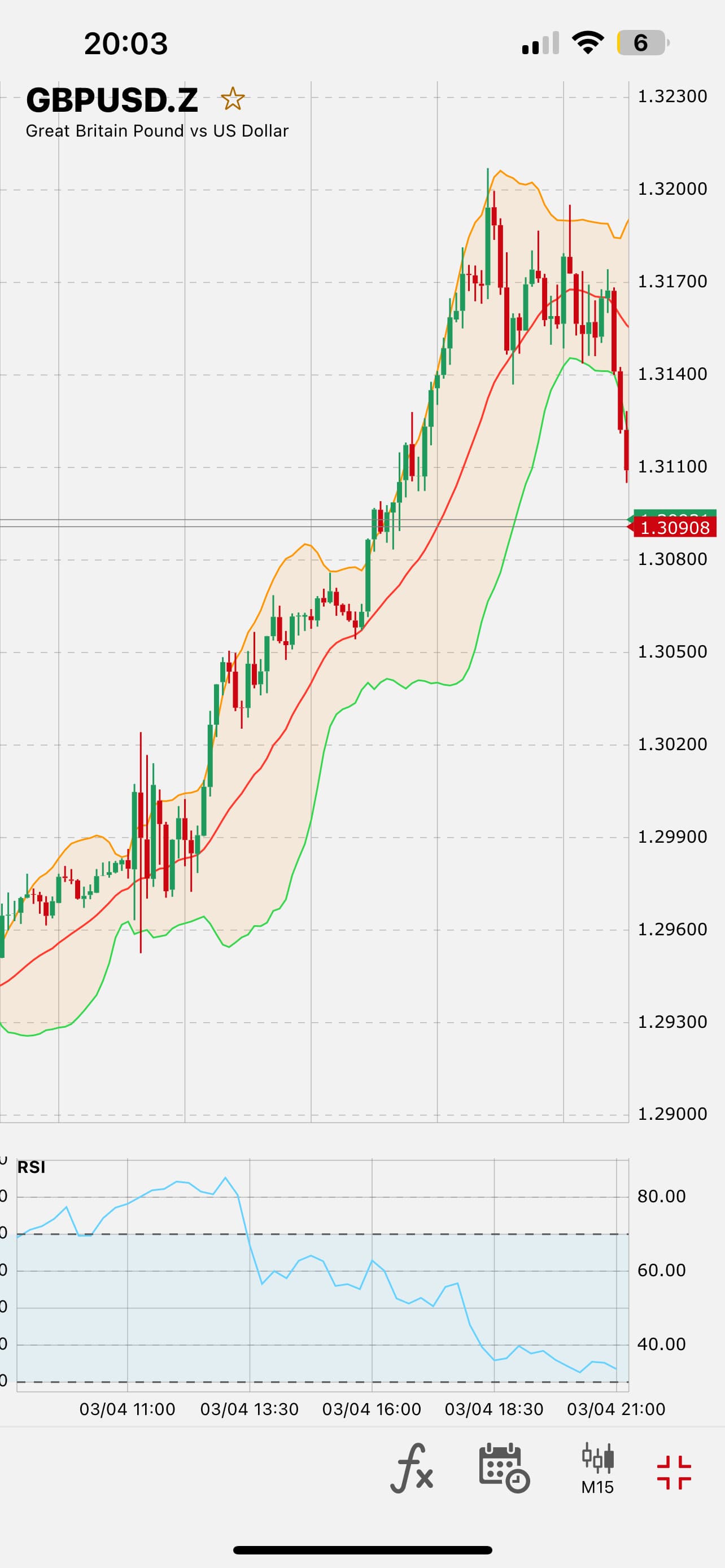
You’ll see real spreads, charts, and price movements—exactly as you would in a live account—but any profits or losses are simulated.
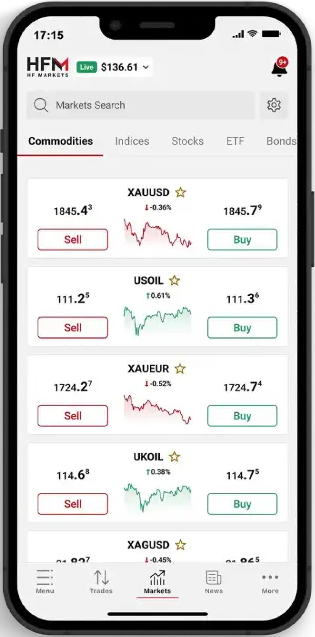
Demo accounts also use the same trading platforms as live accounts—like MT4, MT5, cTrader, and TradingView—so you can learn their tools and layouts without risk.
While demo trading feels realistic, it’s not identical to live trading. Execution is often faster, slippage is minimal, and the emotional pressure is missing. But as a learning environment, it’s the most accurate simulation available.
A demo account is an essential step for every trader. It lets you learn the markets, practise safely, and build confidence before trading real money.
Demo accounts show you how Forex trading works—how orders, spreads, and leverage affect results—without financial risk. It’s the fastest way to build practical understanding.
Trading can be emotional. Practising in a demo environment helps you stay calm and disciplined during wins and losses, preparing you for live trading.
You can try new ideas and adjust your approach under real market conditions. The feedback you get in demo trading is invaluable for refining your strategy.
Each platform is different. A demo account lets you explore charting tools, indicators, and order types until you’re comfortable executing trades efficiently.
Demo accounts use live market data, so you can learn how spreads, volatility, and price movements behave in real time—skills that make a huge difference later on.
A Forex demo account is most useful when treated as real preparation, not just a simulation. These tips will help you build the right habits and confidence before trading live.
Treat your demo balance as if it were your own money. Use realistic position sizes, apply stop losses, and avoid unnecessary risks. This helps you develop discipline and accurate expectations about trading performance.
Use your demo account alongside FxScouts’ Forex Education Centre. Study technical and fundamental analysis, learn how indicators work, and apply what you learn immediately in the demo environment.
Document each trade, including your reasons for entering and exiting. Reviewing your results helps you identify patterns, refine strategies, and build consistency over time.
Experiment with different approaches—trend-following, swing trading, or scalping—and see which suits your goals, temperament, and time availability. The more you test, the more refined and confident your trading plan will become.
Use your demo account until you can trade profitably and consistently for several weeks under different market conditions. That’s a reliable sign that you’ve built both the skill and emotional discipline to handle real money.
A demo account is the best way to prepare for live trading, but beginners often form habits that can slow their progress. These are the most common pitfalls to avoid:
Many traders take oversized positions or skip stop-losses because losses aren’t real. This builds poor habits. Always practise realistic position sizing and use sensible leverage so that your results reflect what’s achievable in a live account.
Placing random trades teaches little. A clear strategy with defined entry and exit rules makes your practice meaningful and helps you measure improvement.
Virtual funds can make trading feel like a game, leading to unrealistic behaviour. Treat every trade seriously so the discipline transfers naturally when real money is involved.
Without reviewing your trades, you can’t see patterns or progress. Spend a few minutes after each session noting why you entered and exited—small reflections lead to major improvements. Having a trading journal allows you to record each trade and find what has worked and what needs refinement. You can use AI for this purpose too.
A few good demo sessions don’t mean you’re ready for real markets. Stay on your demo account until you can trade profitably and consistently under different conditions.
Remember — discipline learned in demo trading is the foundation of your live trading success.
Opening a Forex demo account is quick and straightforward. Most brokers let you register online and start trading within minutes.
If you’re not sure where to start, visit our Best Forex Brokers for Beginners page for trusted recommendations.
A Forex demo account is the safest and most practical way to learn how trading really works. It gives you the time to explore platforms, test strategies, and build experience before making financial decisions.
Take your time while practising. Focus on developing consistency, discipline, and a clear process rather than chasing short-term results. The habits you form now will shape how you trade later.
When you’re comfortable and confident, moving to a live account will feel like a natural next step. Until then, a demo account remains the best place to learn, make mistakes, and grow as a trader.


Find quick answers to common questions about Forex demo accounts, their benefits, and how to choose the right one for your trading journey.
Yes. Most regulated brokers offer free demo accounts so traders can learn their platforms and practise without financial risk.
Some expire after 30–90 days, but many brokers offer unlimited or renewable demo accounts on request.
Yes. You can usually open several demo accounts with the same broker or different brokers to compare platforms and trading conditions.
Mostly yes. They use live market prices, but execution speed and slippage may differ slightly compared to live trading.
A demo account uses virtual funds and removes emotional pressure, while a live account involves real money and the psychology that comes with it.
Stay on your demo account until you’re consistently profitable and confident. There’s no fixed timeline — experience is what matters.
Explore more resources that fellow traders find helpful! Check out these other guides to enhance your forex trading knowledge and skills. Whether you’re searching for the best brokers, educational material, or something more specific, we’ve got you covered.

Discover the top Forex brokers for Kenyan traders. Compare top platforms, fees and features to make an informed trading choice.

Compare the best Forex trading platforms for 2026, including MT4, MT5, cTrader, and TradingView. Find the right tools to enhance your trading experience.

What is Forex trading and how does it work? An easy-to-read guide including how to trade, and how to choose a reliable broker.
60-90% of retail traders lose money trading Forex and CFDs. You should consider whether you understand how CFDs and leveraged trading work and if you can afford the high risk of losing your money. We may receive compensation when you click on links to products we review. Please read our advertising disclosure. By using this website, you agree to our Terms of Service.
Partner Manager and Financial Writer
Head of Content
Financial Writer




Welcome to the FxScouts community! We’re thrilled to have you on board. You’ve successfully signed up for our forex newsletter, where you’ll receive expert insights, market analysis, and the latest news straight to your inbox.
Get ready to stay ahead of the curve with our regular updates designed to help you make informed trading decisions.
Happy trading!
The FxScouts Team