



Beginner? → HFM vs Pepperstone
Low trading costs? → Octa vs IC Markets
Social trading? → AvaTrade vs NAGA
MetaTrader? → Pepperstone vs XM
High leverage? → FBS vs Exness

Page Navigation


Select a different country or region to view content tailored to your location.

FxScouts helps traders across the globe by meticulously testing and reviewing online brokers and providing Forex education and market analysis. Our partners compensate us through paid advertising. While partners may pay to provide offers or be featured, they cannot pay to alter our recommendations, advice, ratings, or any other content. Our content and research teams do not participate in any advertising planning nor are they permitted access to advertising campaign data. For more detailed information click this link.

Alison Heyerdahl is the Head of Content at FxScouts, a Chartered Market Technician (CMT), and an experienced trader, as well as a financial writer with extensive expertise in Forex trading, broker analysis, and market research. She has reviewed 100+ brokers, publishes weekly YouTube trading videos, and co-hosts the “Let’s Talk Forex” podcast.

Alison Heyerdahl is the Head of Content at FxScouts, a Chartered Market Technician (CMT), and an experienced trader, as well as a financial writer with extensive expertise in Forex trading, broker analysis, and market research. She has reviewed 100+ brokers, publishes weekly YouTube trading videos, and co-hosts the “Let’s Talk Forex” podcast.
Chris manages the relationships with our partners to provide the best Forex trading experience possible for our users. Chris has 15+ years of research, and editorial and design experience for political and financial publications. His background has given him a deep understanding of international financial markets and the geopolitics that affect them.
Many Kenyan Forex traders lose money due to the risks of trading, high spreads, and poor regulation. However, choosing the right broker can help improve their chances of success.
We’ve spent 30,000+ hours testing and analysing 180+ brokers that accept Kenyan traders to bring you this exclusive, data-backed guide.
We’ve researched the best Forex brokers in Kenya and found those with:
Trusted. Transparent. Tested.
For over a decade, we’ve set the standard in forex broker reviews—collecting thousands of data points yearly to deliver unbiased, expert-backed insights.
Skip the trial and error! Below, you’ll find the best forex brokers for Kenyan traders for 2026—thoroughly tested, verified, and ranked, so you can trade with confidence.

Forex trading in Kenya is regulated by the Capital Markets Authority (CMA), which ensures that licensed brokers meet strict requirements to protect traders. Kenyan traders can also choose brokers regulated by other top-tier global authorities such as the FCA, ASIC, and CySEC. Choosing a well-regulated broker offers key protections:
Tip: Always check if a broker is regulated by the CMA before opening an account.

Select another broker to another broker to compare features, fees, and platforms side by side.
Quick Forex Broker Finder Tool
Select another broker to another broker to compare features, fees, and platforms side by side.

0.1 pips
CMA, FSA-Seychelles, FSC, B.V.I FSC, FSCA
USD 3
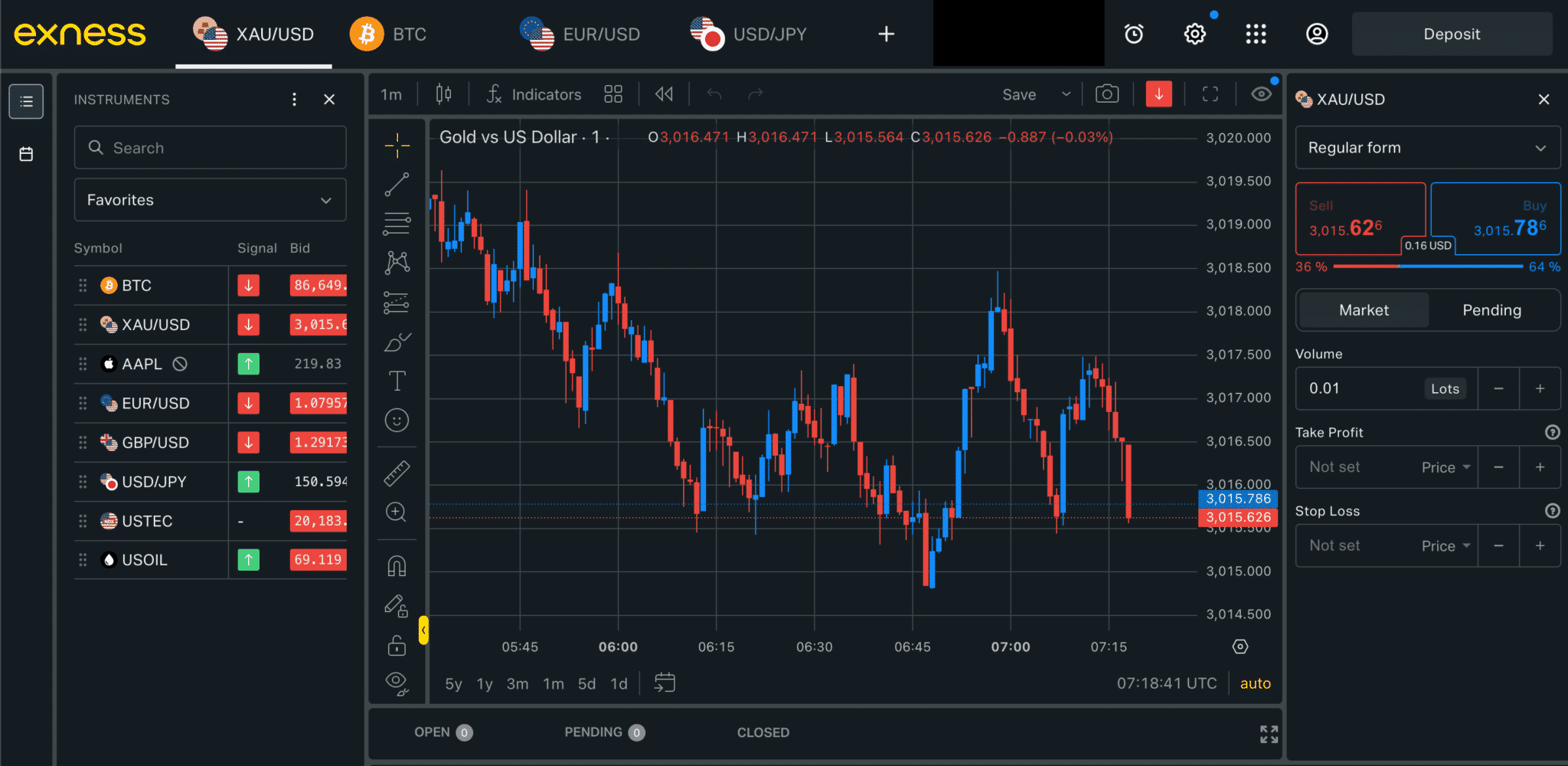
Exness Terminal, MT5, MT4
Unlimited:1
Exness offers unlimited leverage after specific trading volume milestones, allowing micro traders to maximise a small amount of capital.
Unique to Kenyan users, Exness processes M-Pesa withdrawals within seconds, making it ideal for active traders.
It offers professional-grade pricing with low commission per lot and is suited for scalpers and high-frequency traders.
Customised support and local education tailored to Kenyan traders, with Swahili options and local seminars.
Requires 5 standard lots traded and no news-based trading to unlock.
While copy trading exists, it is separate from MetaTrader signals.
Exness | Best for: Kenyan traders seeking ultra-low spreads, instant withdrawals, and unlimited leverage with local deposit options

FxScouts
 YouTube
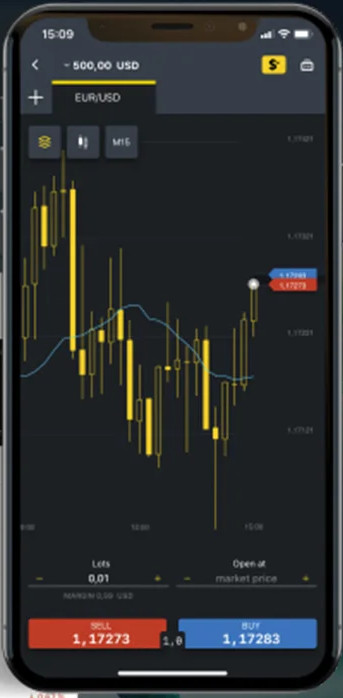
Select another broker to another broker to compare features, fees, and platforms side by side.

0 pips
CMA, BaFin, ASIC, FCA, CySEC
USD 0
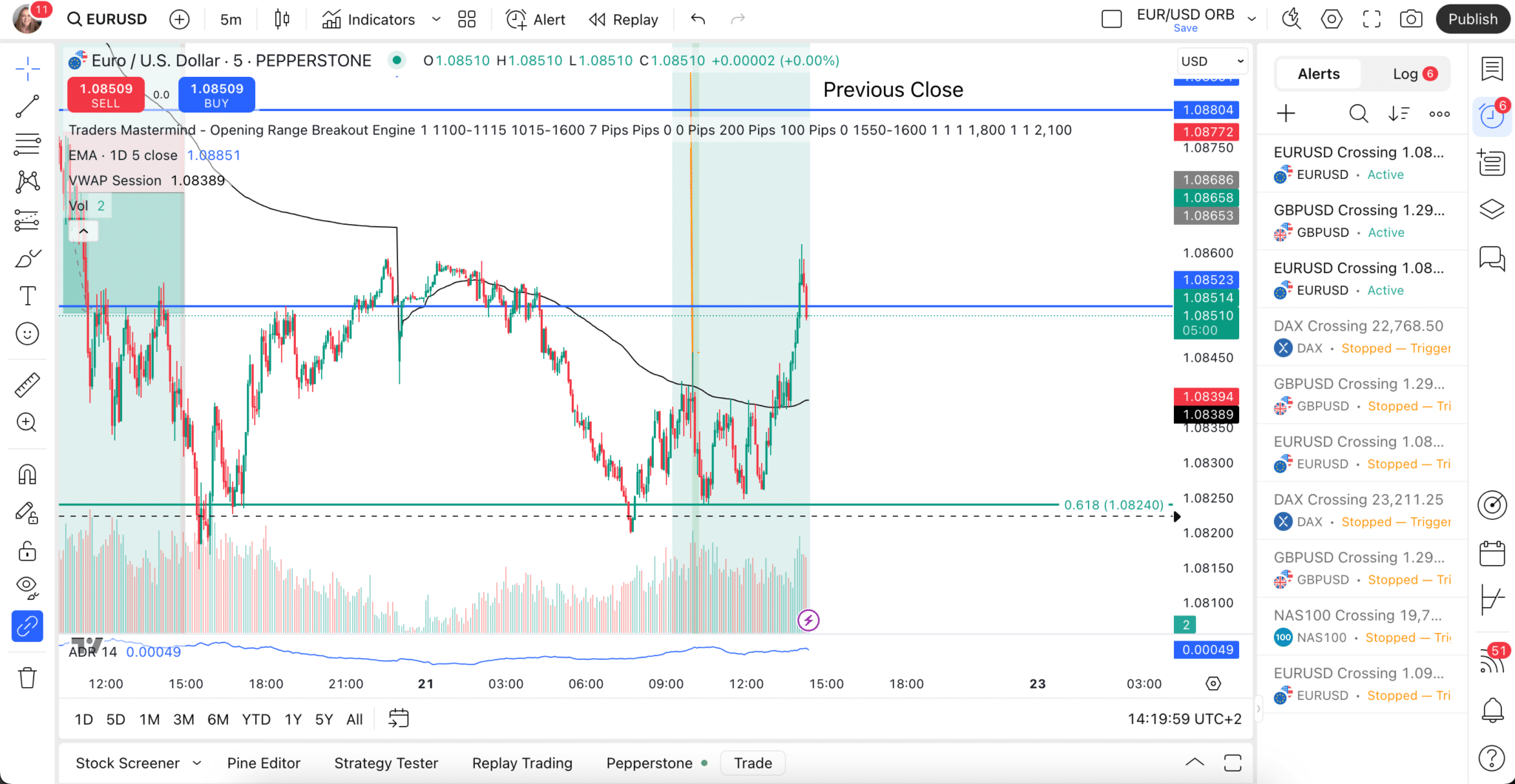
Pepperstone Platform, TradingView, cTrader, MT5, MT4
400:1
Pepperstone is regulated locally, ensuring trust and compliance for Kenyan trader
Rare among brokers, allowing flexibility for advanced technical traders.
Transparent, lightning-fast execution without conflict of interest.
Equips beginners with trading aids like alerts, sentiment data, and more.
Pepperstone does not offer Kenyan Shilling-denominated accounts, leading to conversion fees.
Traders start with full capital; no promotional edge for beginners.
Pepperstone | Best for: Kenyan traders focused on tight spreads, fast execution, and advanced trading platforms like cTrader and TradingView
FxScouts
YouTube
Select another broker to another broker to compare features, fees, and platforms side by side.

0.0 pips
FSA-Seychelles, FSC, DFSA, FSCA, FCA, CySEC
USD 0
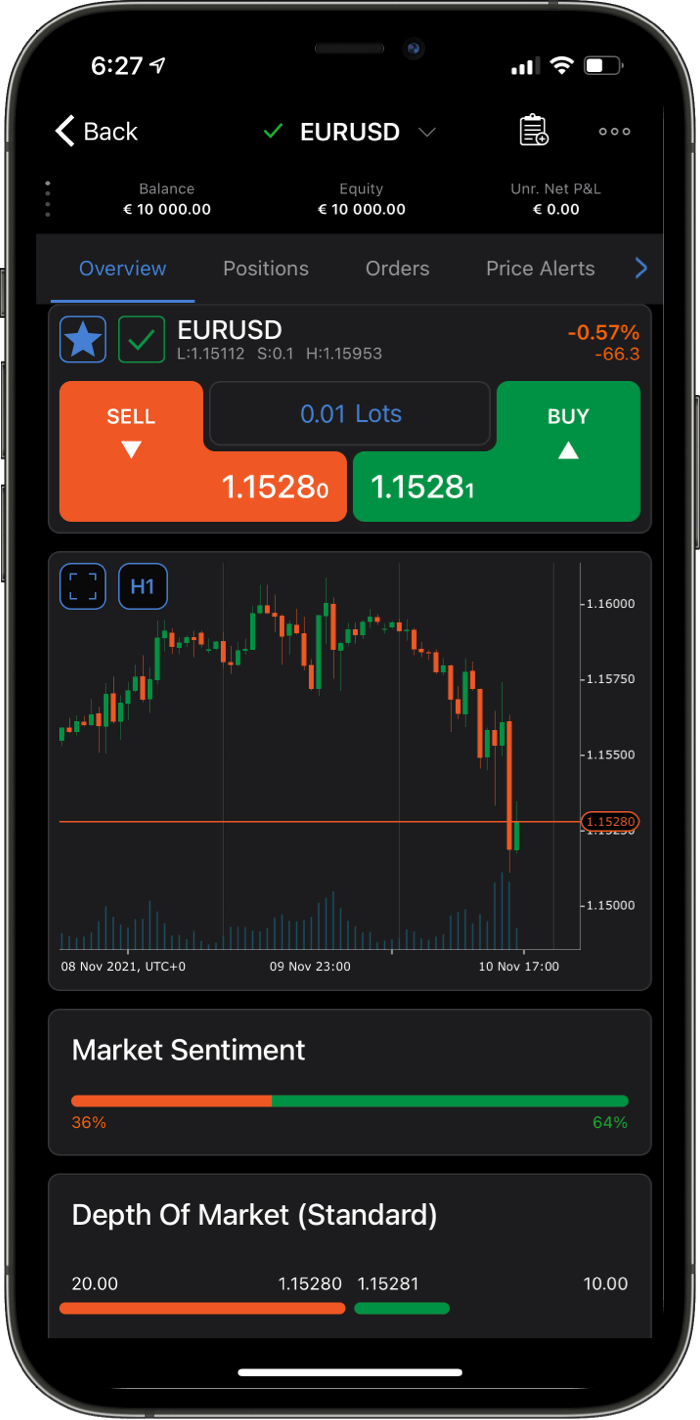
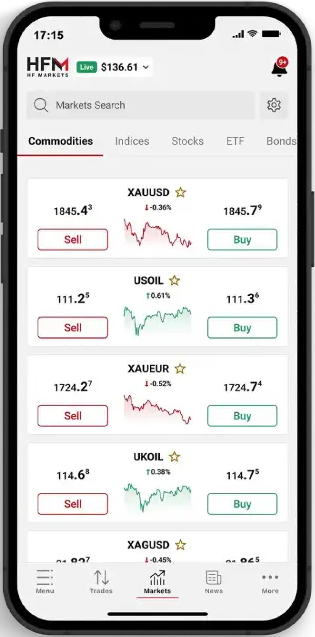
HFM Trading App, MT5, MT4
400:1
Start with as little as $5 to practice real-market trading without high risk.
Boosts first-time deposits and rewards frequent trading.
A dedicated regional portal offers education, webinars, and assistance tailored to Kenyan traders.
Trade 500+ instruments from a single account.
Compensates for bonus structure—best to upgrade accounts as you scale.
Limited to MT4/MT5 for advanced traders.
HFM | Best for: Kenyan beginners looking for bonuses, Cent accounts, and risk-managed trading options with localized support
FxScouts
YouTube
Select another broker to another broker to compare features, fees, and platforms side by side.

0.6 pips
CFTC, FINMA, FMA, Fi, BaFin, MAS, DFSA, FSA-Japan, FSCA, ASIC, FCA
USD 0
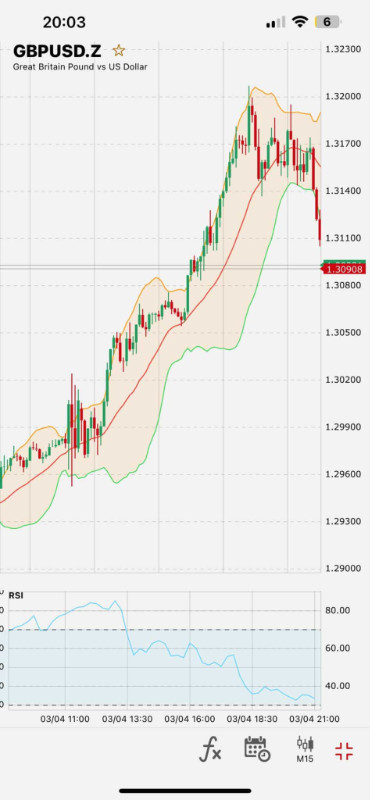
TradingView, L2 Dealer, MT4
200:1
Maximum trust and safety with UK-listed parent company (IG Group).
Over 17,000+ global instruments accessible from one platform.
Real market pricing via L2 Dealer—ideal for professionals and large-volume traders.
Built-in strategy backtesting, market screeners, and technical setups.
IG does not support MT5, which may not suit traders seeking the latest MetaTrader features.
It may be restrictive for new or budget-conscious traders in Kenya.
IG | Best for: Kenyan professionals and institutions needing deep liquidity, tight spreads, and advanced trading features
FxScouts
YouTube
Select another broker to another broker to compare features, fees, and platforms side by side.

0.9 pips
FRSA, CBI, FSCA, ASIC, CySEC
USD 100
AvaOptions, Avatrade Social, MT5, MT4
400:1
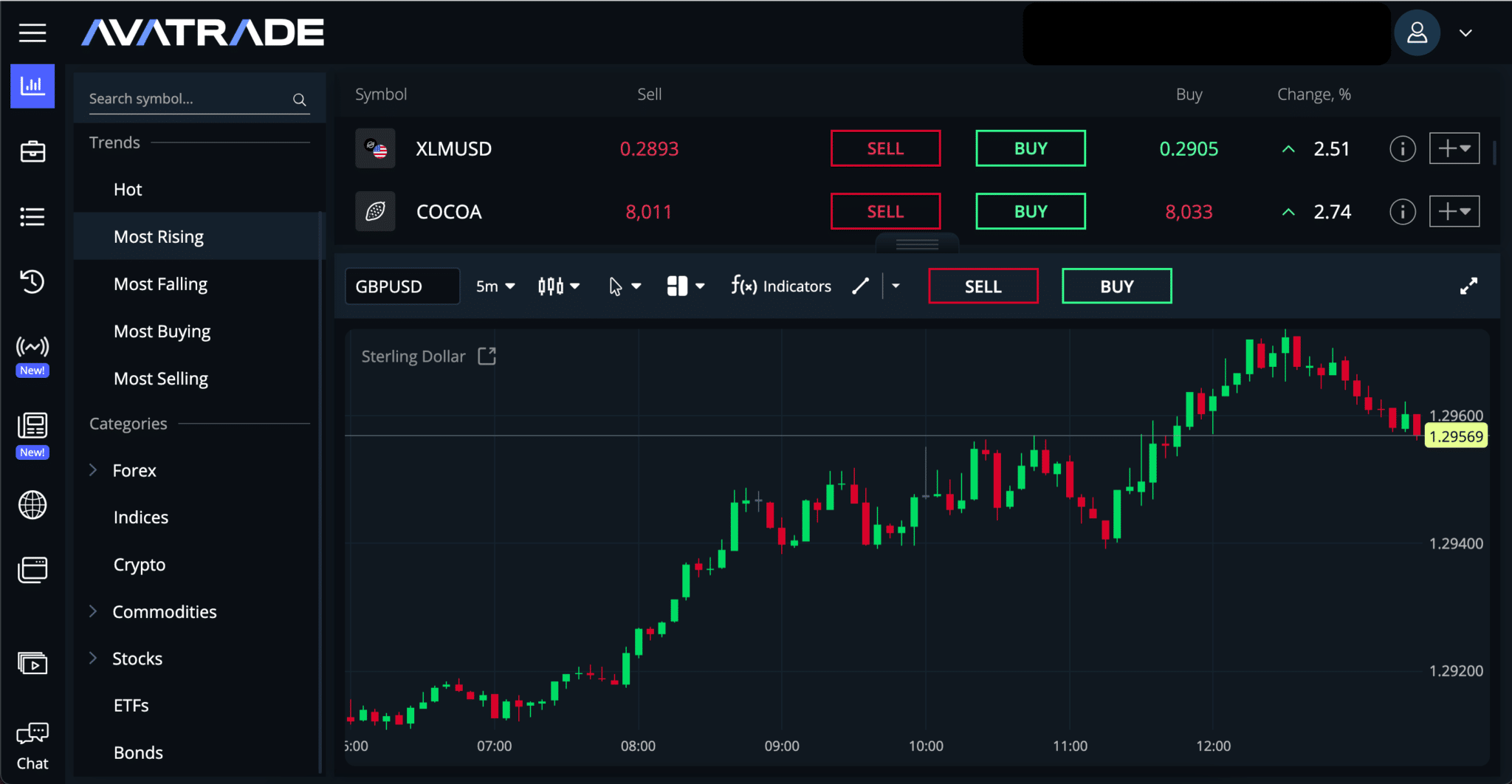
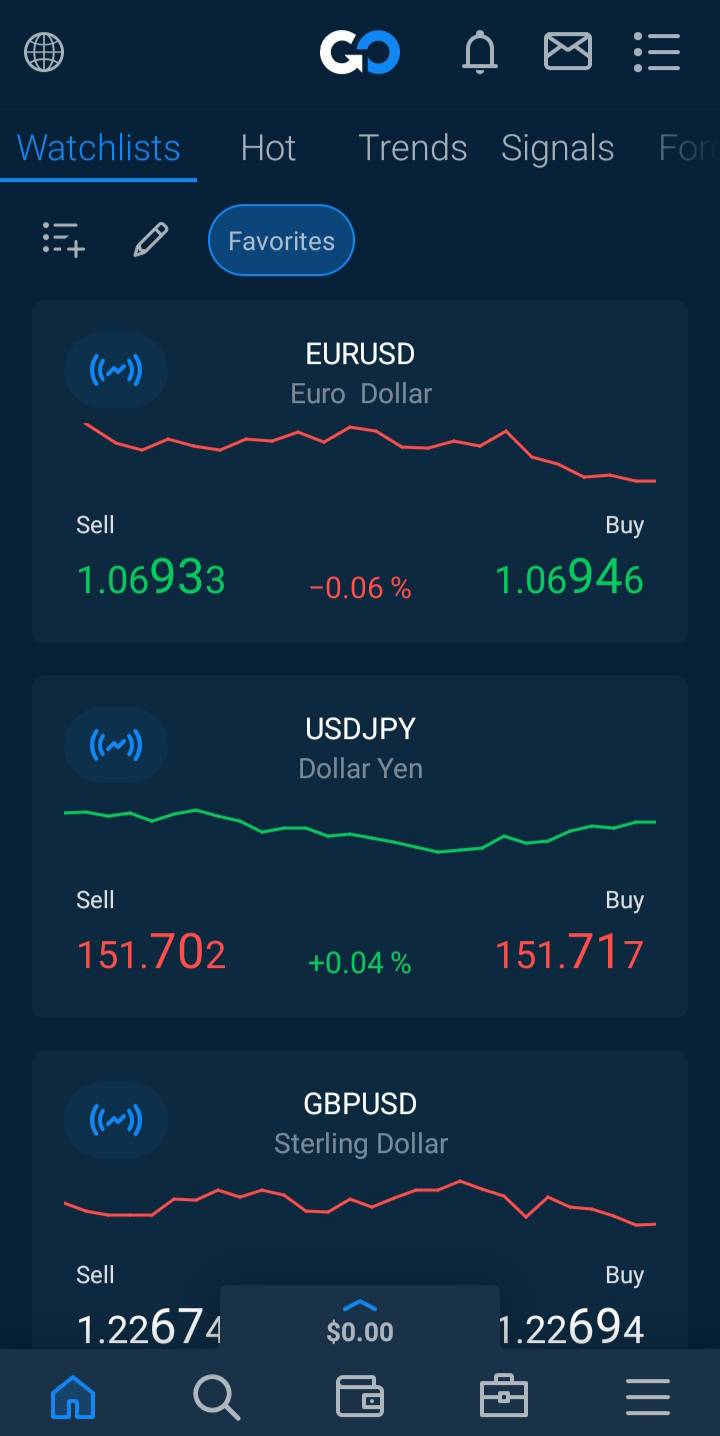
One of the most beginner-friendly mobile platforms with sentiment indicators and position insights.
Removes spread uncertainty during high volatility, ideal for new traders.
Protect trades from loss for a small fee, unique among global brokers.
Follow successful traders automatically through third-party social trading platforms.
AvaTrade does not support crypto deposits, limiting funding flexibility for crypto-savvy traders.
AvaTrade does not offer ECN-style accounts with ultra-low spreads, limiting options for scalpers.
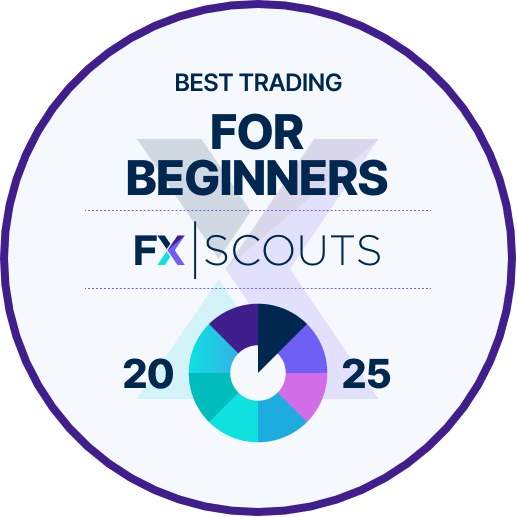
AvaTrade | Best for: Kenyan mobile-first users who want fixed spreads, risk protection tools, and social trading access
FxScouts
YouTube
Select another broker to another broker to compare features, fees, and platforms side by side.


Selecting the right Forex broker in Kenya is crucial for safe, transparent, and cost-effective trading. Understanding regulation will help you make an informed decision.
Yes, Forex trading is legal in Kenya if done through brokers regulated by the Capital Markets Authority (CMA). The CMA licenses and oversees Forex brokers to ensure they follow guidelines for client fund protection, transparent pricing, and fair trading practices.
While traders can use locally CMA-regulated brokers, many also trade with international brokers regulated by tier-1 authorities like the FCA (UK), ASIC (Australia), or CySEC (Europe). It is important to choose well-regulated brokers to ensure fund safety and fair trading conditions.
Kenyan traders should also be aware of local tax obligations related to profits from Forex trading and ensure compliance with currency regulations when funding and withdrawing from offshore brokers.
The Capital Markets Authority (CMA) is the financial regulator responsible for supervising and licensing Forex brokers and investment firms in Kenya. Established under the Capital Markets Act, the CMA aims to protect investors, ensure fair market practices, and support the stability of Kenya’s financial system.
The CMA’s functions include:
The CMA’s regulation requires brokers to follow strict guidelines on client fund segregation, transparent pricing, and fair practices, providing protection for Kenyan retail Forex traders.
Below, we list the main criteria CMA-regulated Forex brokers must follow to safeguard traders’ funds and ensure they are treated fairly:
Client Fund Segregation: All CMA-licensed brokers must keep client funds in separate accounts from operational funds to protect traders in case of financial issues.
Financial Oversight and Licensing: Brokers require a CMA license, which involves:
Transparent Fees and Risk Warnings: CMA-regulated brokers must clearly disclose all trading costs and risks, including spreads, commissions, leverage, and margin requirements.
Standards of Conduct and Advertising: From advertising to account management, Kenyan brokers must follow ethical marketing guidelines and fair client treatment rules.
Continuous Audits and Supervision: CMA brokers submit regular financial reports and may face audits or inspections to ensure regulatory compliance.
No fund protection: Unregulated brokers in Kenya do not have to separate your money from theirs, risking total loss if they go bankrupt.
No backup if things go wrong: CMA-regulated brokers follow strict client protection rules. With unregulated brokers, there is no compensation scheme if the broker closes.
You could lose more than you invested: Without negative balance protection, a sudden market drop can wipe out your funds and leave you in debt to the broker.
They can get away with shady practices: Unlicensed brokers are unmonitored, allowing them to manipulate trades, pricing, or refuse withdrawals without recourse.
Dangerously high leverage: Leverage like 1:1000 may seem appealing but can lead to massive losses. Regulated brokers limit leverage to protect traders.
Here’s how Kenyan traders can verify a broker’s credentials before depositing funds:
1. Find the broker’s licensing statement at the bottom of their website. It should state:
“This website is operated by [Broker Name], authorised and regulated by the Capital Markets Authority (CMA) in Kenya.”
2. Visit the official CMA Licensee Register: https://www.cma.or.ke/index.php/licensees/market-players and search for the broker’s name.
If listed, the broker is CMA-regulated, if not, the broker is not authorised in Kenya.
Note: CMA-regulated brokers are required to display their licence information clearly. If no licence is shown, the broker may not be authorised. Use CMA register contact details for direct communication.
Avoid scam websites:
Besides regulation, trading costs are another important factor to consider when choosing a Forex broker. Trading costs include both spreads and commissions, and different brokers have different fee structures, depending on their pricing model, regulatory obligations, account types, and the trading platforms they offer.
In Forex, the spread is the difference between the buy price (ask) and the sell price (bid) of a currency pair, forming the main trading cost for commission-free accounts.
For example, with EUR/USD at 1.1000 (buy) / 1.0998 (sell), the spread is 2 pips. This means your trade starts 2 pips negative, which you must recover before making a profit. Lower spreads can lead to higher profitability, especially for active traders.
For Kenyan traders, reliable brokers with tight spreads below 1 pip on EUR/USD include:
Pepperstone: Average spreads around 0.6 pips (EUR/USD).
Exness: Variable spreads from 0.3 pips (EUR/USD) with fast execution.
IG: Fixed and variable spreads from 0.6 pips (EUR/USD), strong reliability.
Note: Spreads can widen during major economic news releases or low liquidity hours (overnight trading), increasing trading costs and affecting risk management.
Some Forex brokers, particularly those offering ECN or Raw accounts, charge a small commission per trade while maintaining ultra-tight spreads (close to 0.0 pips). This trading structure is generally more cost-effective for traders with higher trade volumes or scalping strategies.
We found that brokers offering spreads near 0 pips (EUR/USD) with commissions around $3.50 per side per lot are among the lowest-cost brokers in the industry. Examples suitable for Kenyan traders include:
Many brokers now offer USD account funding options with the ability to deposit in KES via M-Pesa, helping Kenyan traders reduce conversion steps and enabling faster funding.
Brokers like HFM (HotForex) support local payment methods in Kenya, including M-Pesa deposits, bank card payments, and local transfer options via payment processors. This ensures quick and accessible funding for Kenyan traders.
Note: While KES deposits via M-Pesa are supported, trading accounts will be in USD or other major currencies, and withdrawals are processed in those currencies.
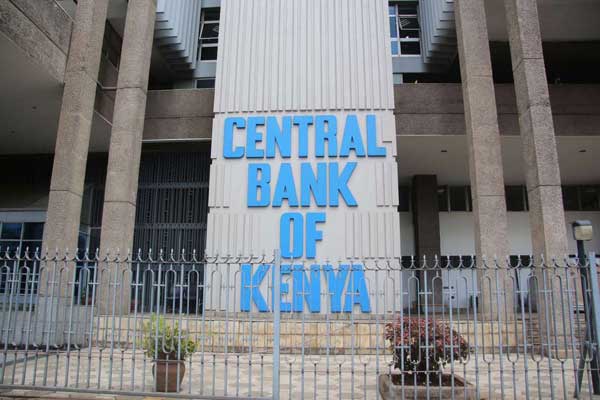

Kenya’s Forex trading industry is growing, with CMA-regulated brokers and trusted international brokers offering secure and transparent trading options. Beginners should prioritise low-cost, beginner-friendly platforms, while advanced traders may prefer brokers with flexible leverage and advanced tools. Always check the broker’s regulation, fee structure, and withdrawal policies before trading.


Kenya has a growing, regulated Forex trading industry under the CMA, making it one of the safest markets for Forex trading in East Africa. Below are answers to common questions traders have when choosing a Forex broker in Kenya.
The best Forex brokers for Kenyan traders are those regulated by the Capital Markets Authority (CMA) or top-tier international regulators. Examples include HFM (HotForex), Pepperstone, and Exness. In addition to serving Kenyan traders, these brokers are licensed by respected authorities such as the FCA (UK), ASIC (Australia), and CySEC (Europe), ensuring high standards of security and transparency.
These brokers offer USD funding options with local deposit methods like M-Pesa, card payments, and local bank transfers, providing fast and convenient funding and withdrawals. They also feature low trading fees, a wide range of trading instruments, and customer support tailored for Kenyan traders.
After selecting a regulated forex broker, you’re ready to move forward with the following steps to begin trading:
We always recommend opening a demo account first to get comfortable with the broker’s trading platforms and test out various strategies. Once you are consistently profitable on a demo account, open a live account. This involves completing the live account application on the broker’s website and submitting your KYC (Know Your Customer) documentation.
Forex brokers in Kenya must comply with AML and KYC regulations, verifying your identity and funding source.
Tip: Always read the broker’s terms and conditions carefully, as these vary between brokers.
Many brokers servicing Kenya offer local deposit options via M-Pesa, mobile money services, bank cards, and local bank transfers through banks like Equity Bank, KCB, and Co-operative Bank of Kenya.
Only deposit funds you are comfortable losing, especially in the beginning stages of your trading journey.
Once you’ve completed your technical and fundamental analysis, you can open a position by clicking ‘buy’ to go long or ‘sell’ to go short. Set your position size based on your risk tolerance, and use stop-loss and take-profit levels to manage risk. Order types include market, limit, and stop orders.
For more details, check out our video on pending orders.
Trading is challenging, and no strategy works all the time. You will experience losses, so it’s important to journal your trades and learn from your mistakes. Continue educating yourself—join trader communities, attend webinars, and listen to podcasts.
Don’t underestimate the importance of trading psychology. Staying disciplined and emotionally grounded is key to becoming a successful trader.
Yes. According to the Kenya Revenue Authority (KRA), Forex trading profits are taxable as income. If you trade as an individual, your profits will typically be subject to personal income tax under Kenya’s graduated tax rates. If you operate through a registered company, corporate tax rates may apply.
Pro Tip: Consult a registered tax advisor to determine whether your Forex trading qualifies as business income, investment income, or occasional income, as the KRA may treat these differently depending on your trading frequency and intent.
The Forex market is open 24 hours a day, five days a week, with opening times in Kenya consistent year-round as Kenya does not observe daylight saving time.
Throughout the year: The Forex market opens at 00:00 EAT (midnight) on Monday, which aligns with the start of the Sydney trading session and the close of the New York session at 17:00 EST/EDT.
This marks the beginning of the global trading week for Kenyan traders.
Keep in mind: While the Sydney session officially opens the market, the most active trading hours for Kenyan traders are typically during the London session (10:00–19:00 EAT) and the New York session (16:00–01:00 EAT), when liquidity and volatility are highest.
If you’re new to Forex trading, your needs will differ from experienced traders. As a beginner, you should prioritise brokers that offer educational support, low entry costs, and strong local assistance.
The best brokers for beginners typically:
Based on our research and testing, brokers that cater well to Kenyan beginner traders include:
The best trading platforms for Kenyan traders offer fast execution, robust charting tools, and support for both manual and automated trading strategies. Popular options include MetaTrader 4 (MT4), MetaTrader 5 (MT5), cTrader, and proprietary apps developed by top brokers.
| Platform | Best for | Key Features | Available through |
|---|---|---|---|
| MetaTrader 4 (MT4) | Beginners | User-friendly interface, Expert Advisors (EAs), one-click trading, custom indicators | Exness, AvaTrade, Pepperstone, HFM, XM |
| MetaTrader 5 (MT5) | Advanced & multi-asset traders | More order types, built-in economic calendar, depth of market, faster backtesting | Exness, AvaTrade, Pepperstone, HFM, XM |
| cTrader | Scalpers & ECN traders | Level II pricing, Depth of Market (DoM), lightning-fast execution, custom cBots | Pepperstone, FP Markets, IC Markets |
| TradingView | Charting-focused traders | Best-in-class charting tools, hundreds of indicators, social trading features | Pepperstone, FP Markets, IC Markets, Exness (via integration) |
| Proprietary Platforms | Beginners, those looking for easy-to-use platforms | Clean, intuitive interfaces, integrated trading tools, tailored for mobile devices | IG (Pro Realtime), AvaTradeGO, XTB (xstation5) |
If you want to run automated strategies, use MT4 or cTrader.
For mobile-first trading, check brokers like AvaTrade or Pepperstone with slick, custom-built apps.
Explore more resources that fellow traders find helpful! Check out these other guides to enhance your forex trading knowledge and skills. Whether you’re searching for the best brokers, educational material, or something more specific, we’ve got you covered.

Discover the top Forex brokers for Kenyan traders. Compare top platforms, fees and features to make an informed trading choice.

Compare the best Forex trading platforms for 2026, including MT4, MT5, cTrader, and TradingView. Find the right tools to enhance your trading experience.

What is Forex trading and how does it work? An easy-to-read guide including how to trade, and how to choose a reliable broker.
60-90% of retail traders lose money trading Forex and CFDs. You should consider whether you understand how CFDs and leveraged trading work and if you can afford the high risk of losing your money. We may receive compensation when you click on links to products we review. Please read our advertising disclosure. By using this website, you agree to our Terms of Service.
Partner Manager and Financial Writer
Head of Content
Financial Writer




Welcome to the FxScouts community! We’re thrilled to have you on board. You’ve successfully signed up for our forex newsletter, where you’ll receive expert insights, market analysis, and the latest news straight to your inbox.
Get ready to stay ahead of the curve with our regular updates designed to help you make informed trading decisions.
Happy trading!
The FxScouts Team